Tshepo Ya Bana
giving a child's life a meaning
Articles
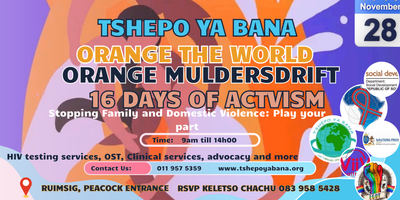
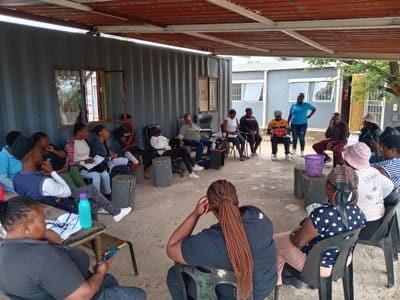
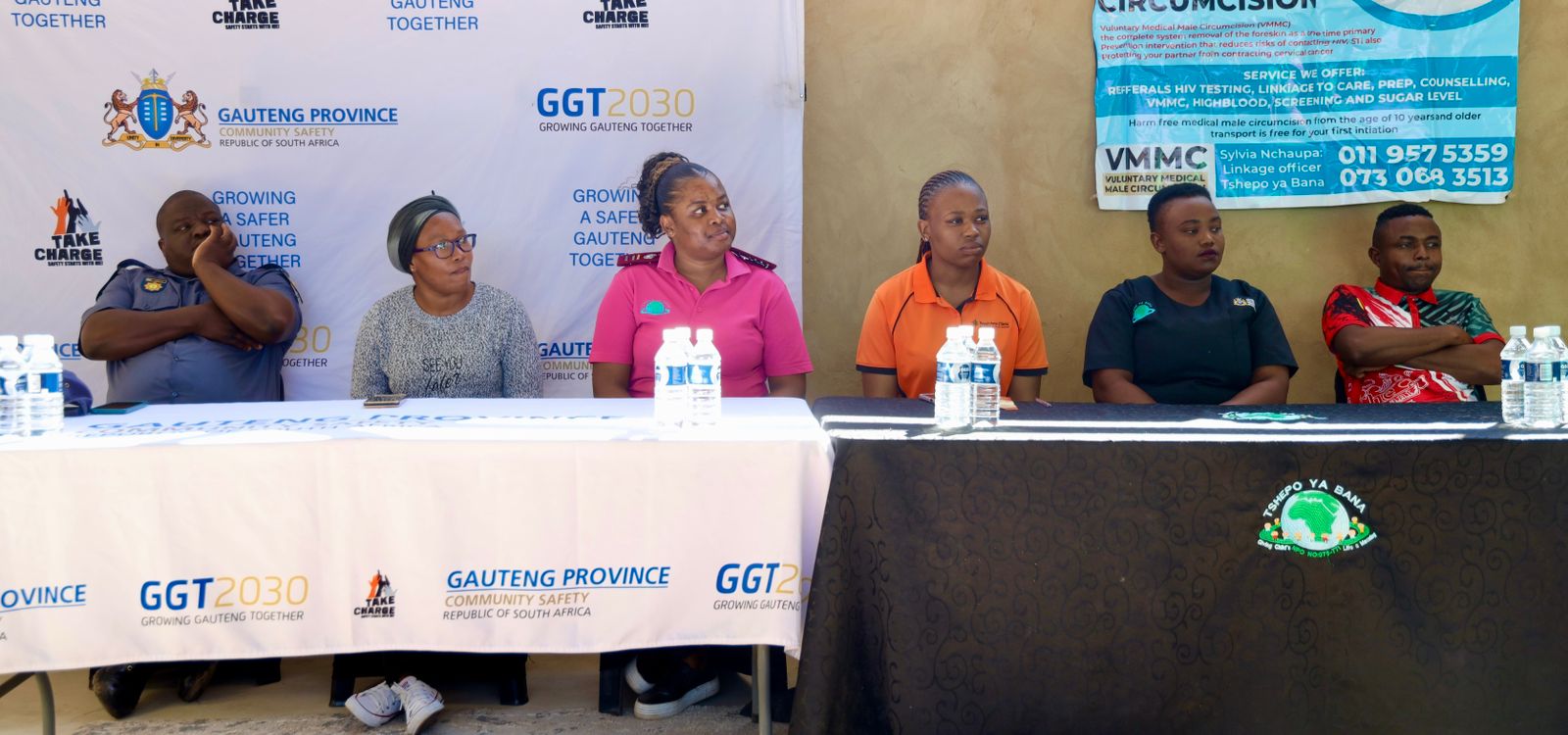
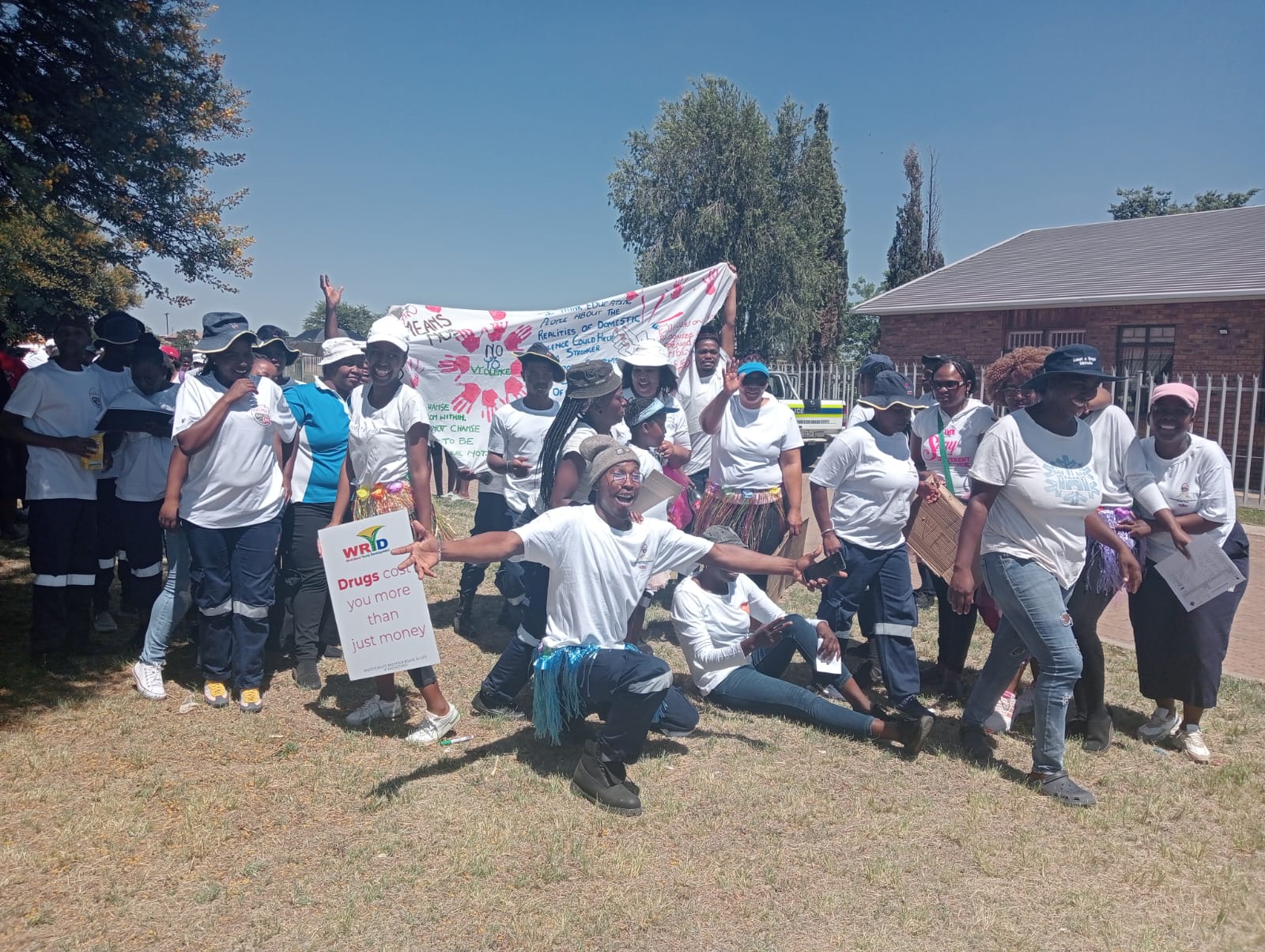
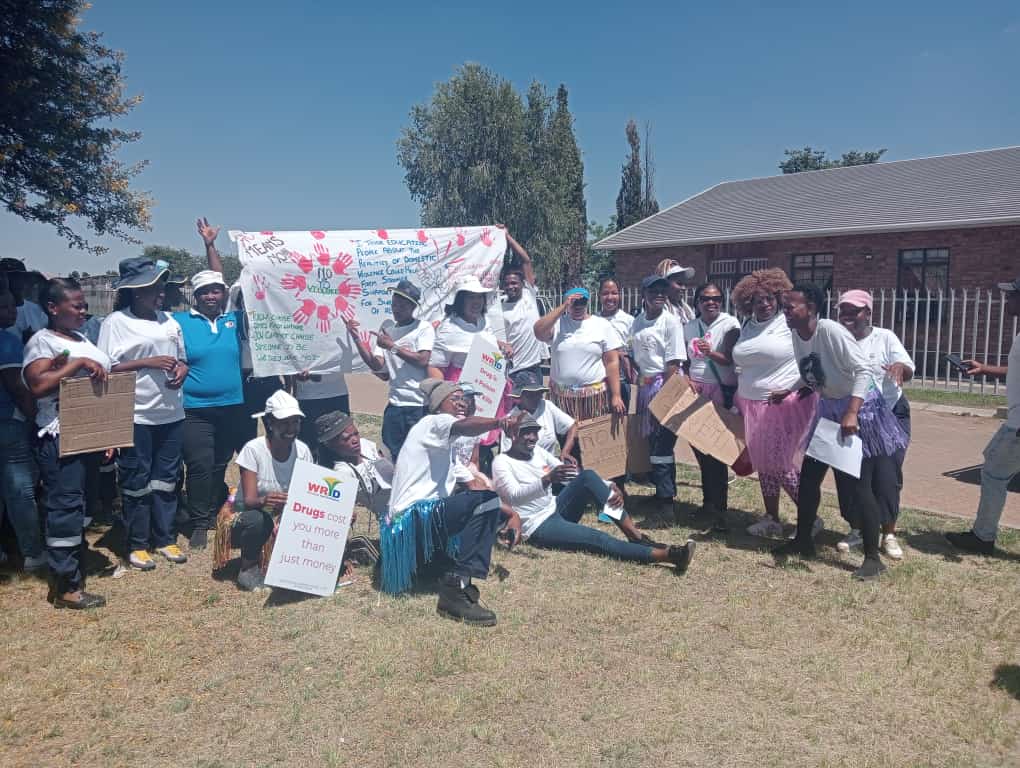
Orange the world, Orange Muldersdrift - 16 Days of Activism
Read More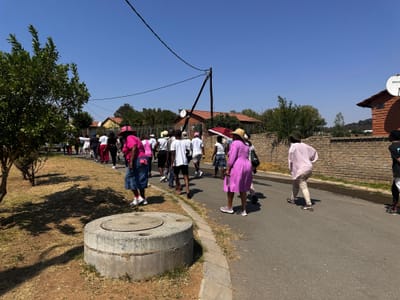

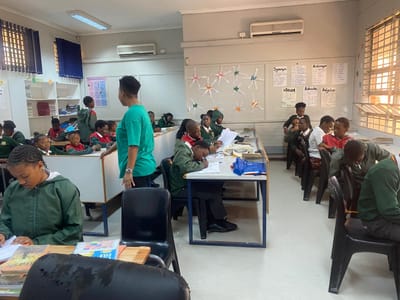
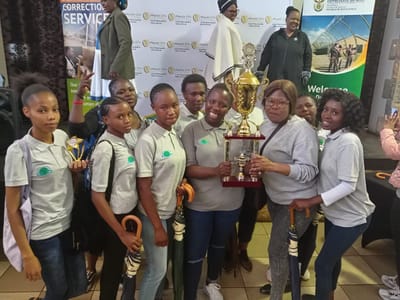
Public speaking competition
Read More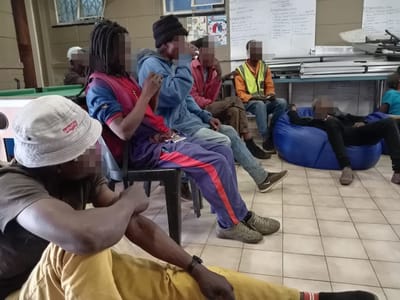
Rights of people who inject drugs
Read More
This is a generic article you can use for adding article content / subjects on your website.
Read More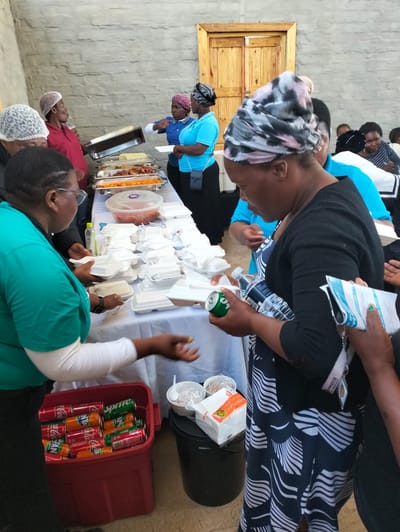
Public speaking competition
Read More
We also focus on the key population being LGBTQI,AYG,AYB,PLHIV.
The organization pride itself by eradicating GBV,stigma and discrimination within the society so there can be a zero percent tolerance.
Events
Past Events
| Title | Date | Day | Location |
|---|---|---|---|
| Orange the world, Orange Muldersdrift | 28 Nov 2024 | Thursday | Ruimsig, Roodepoort, South Africa |
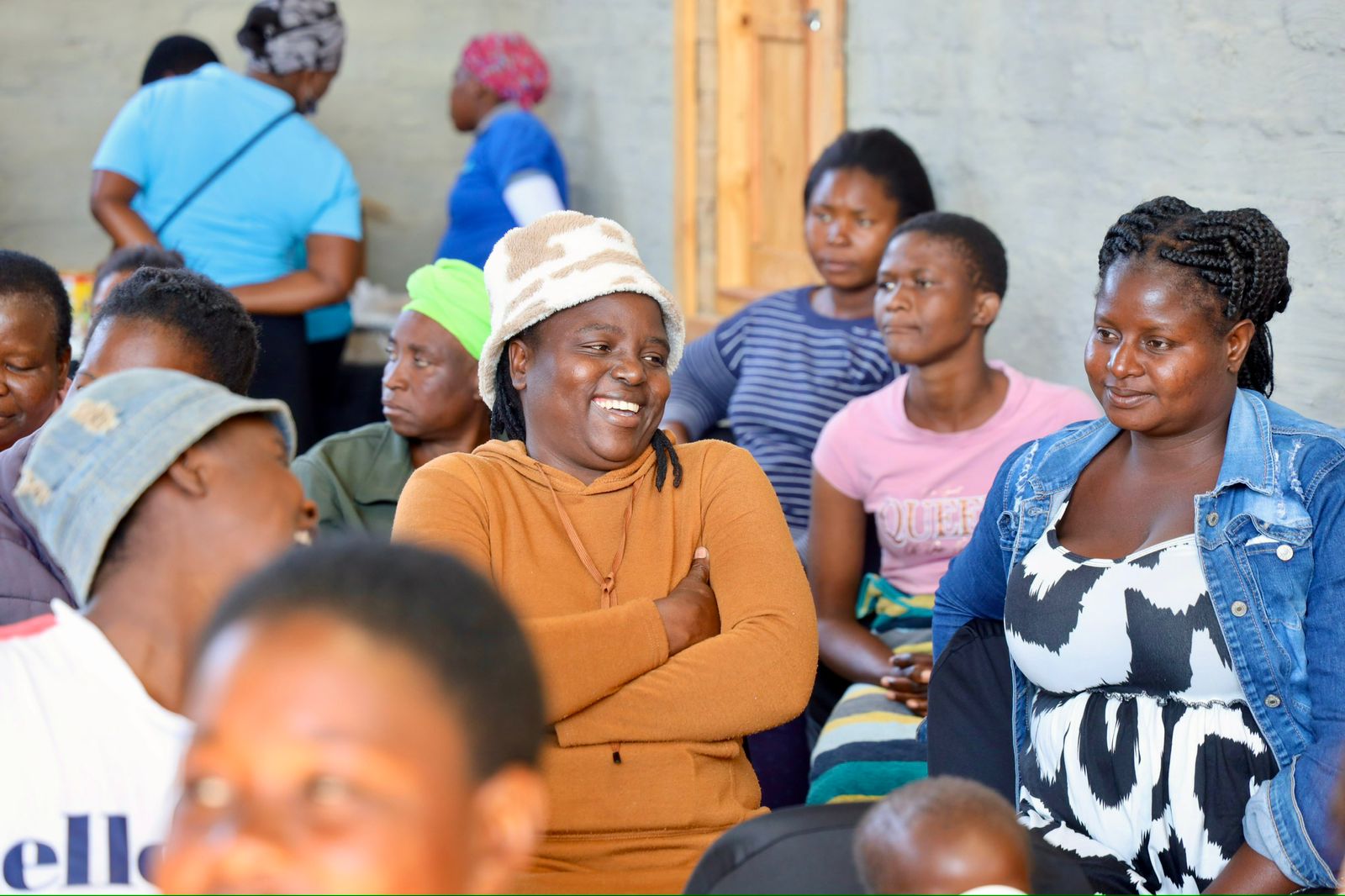
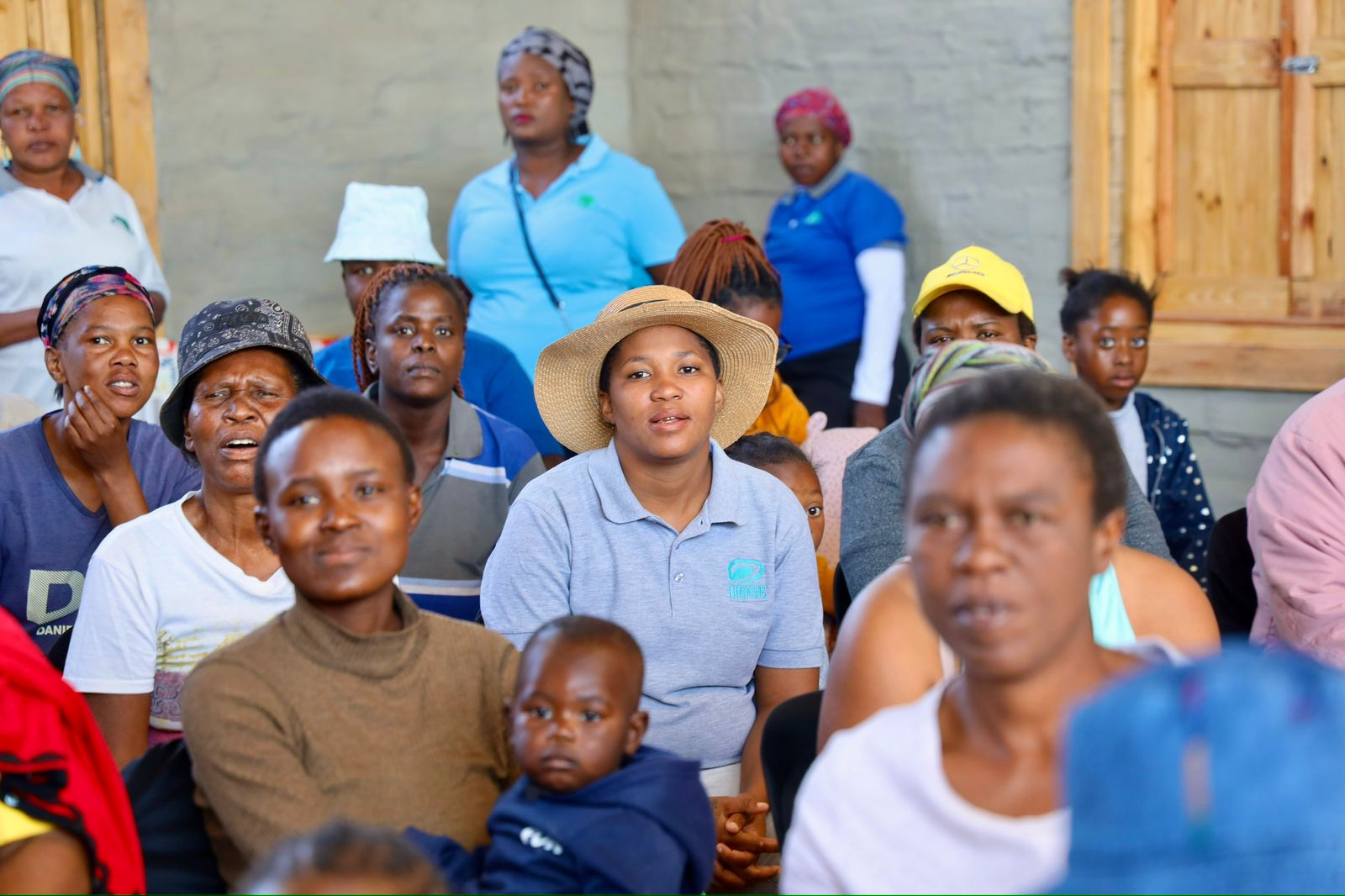
| Amaqhawekazi community dialogue | 27 Nov 2024 | Wednesday | Toekomsrus, Randfontein, South Africa |
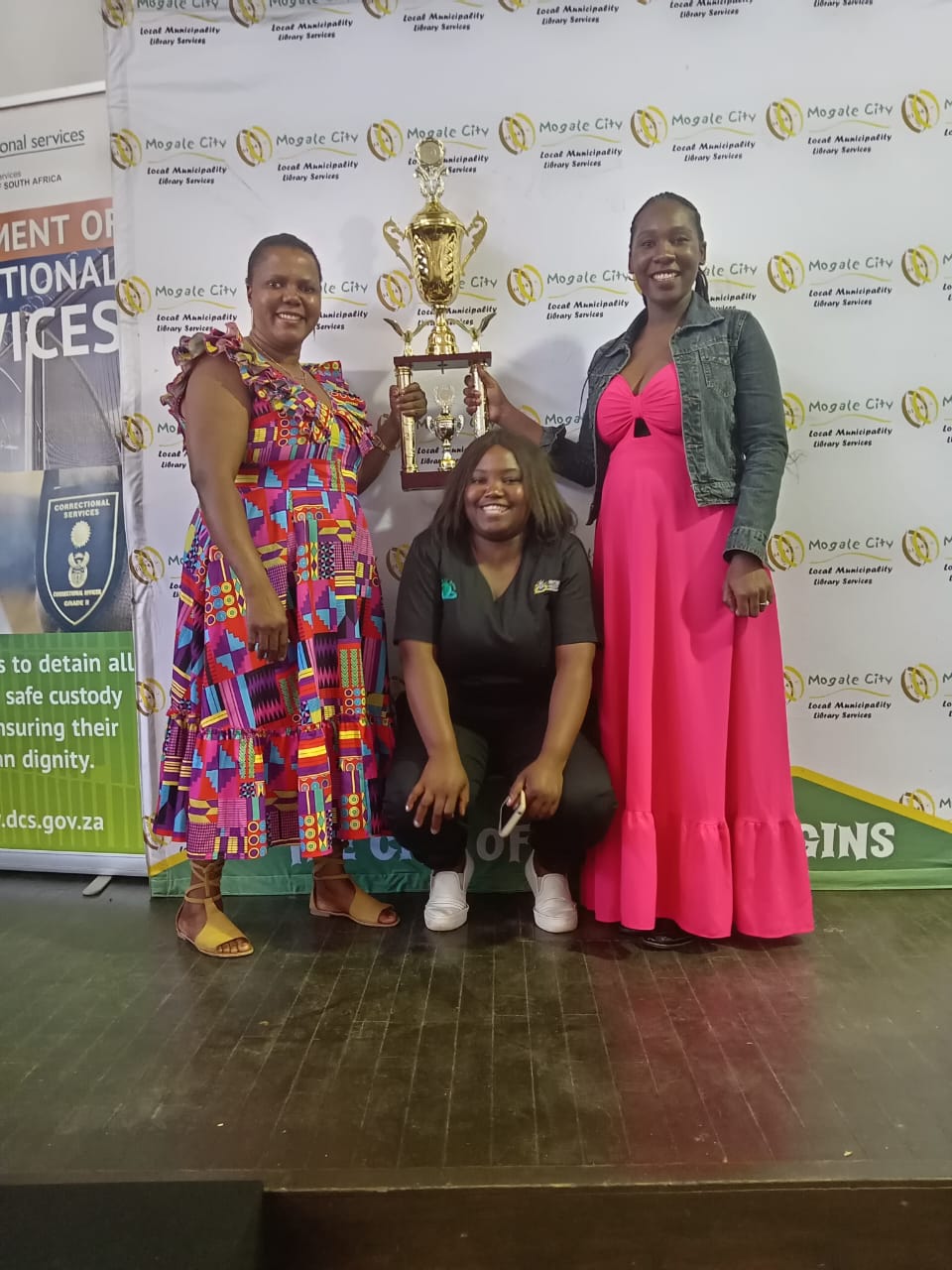
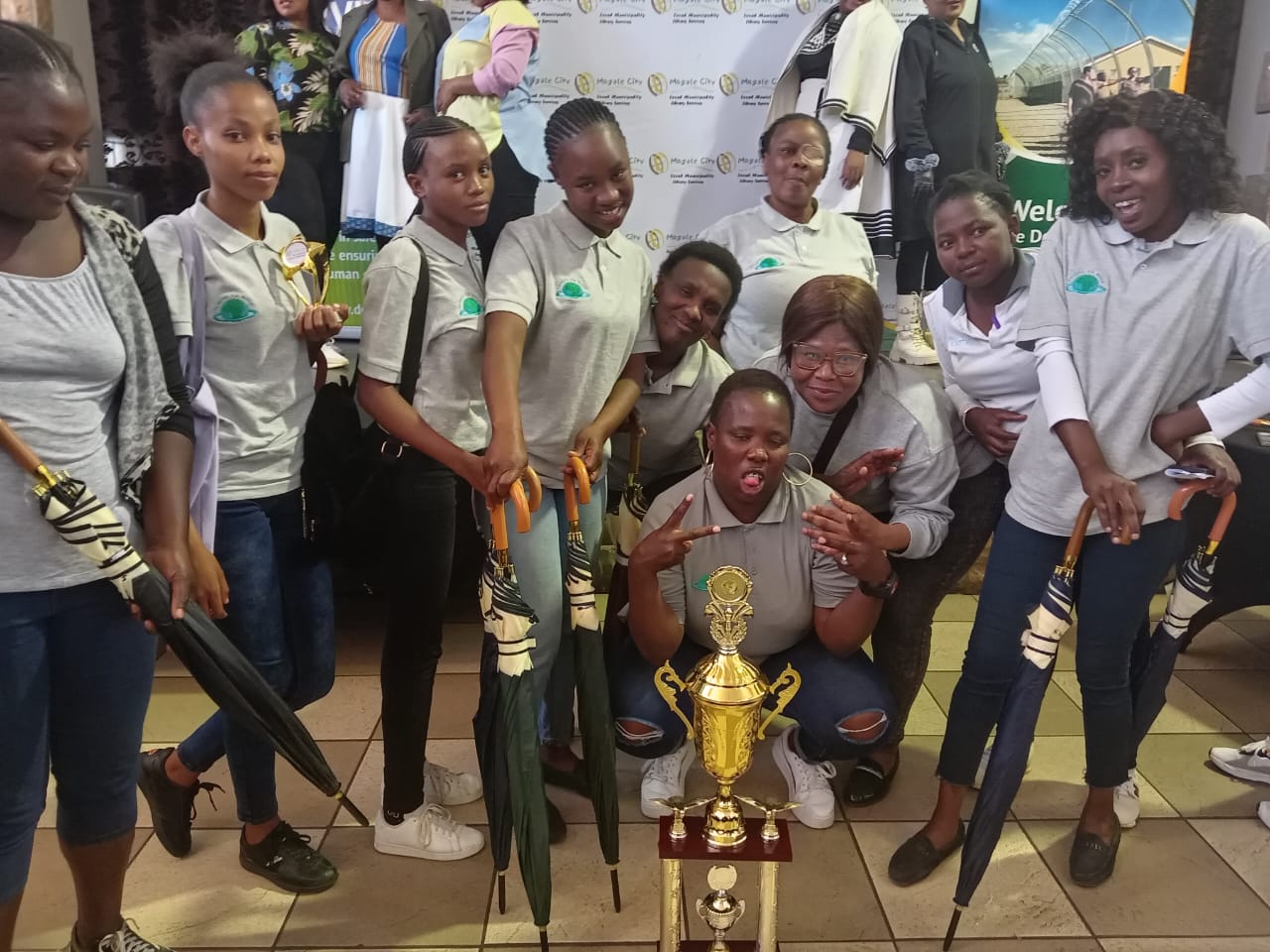
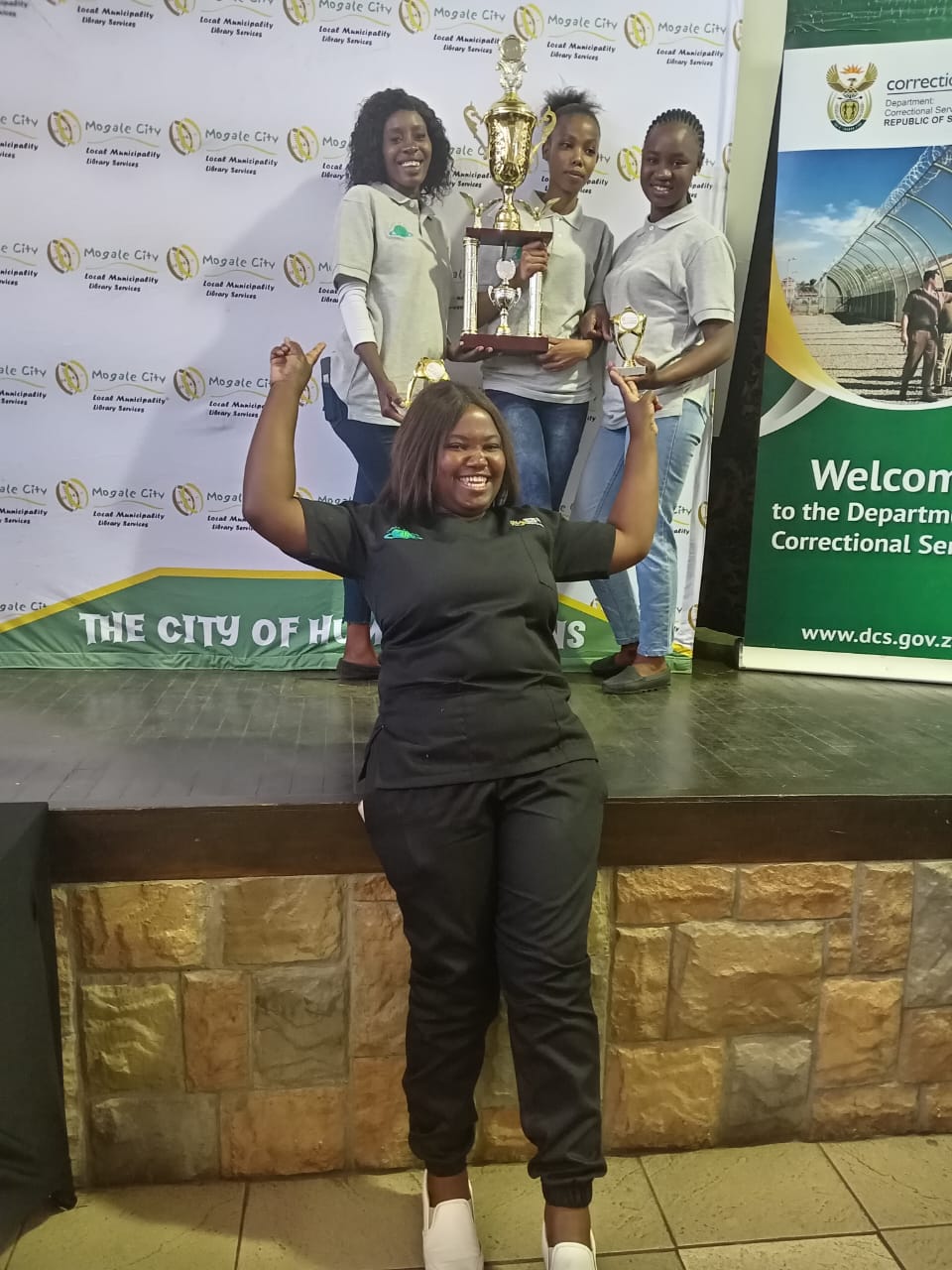
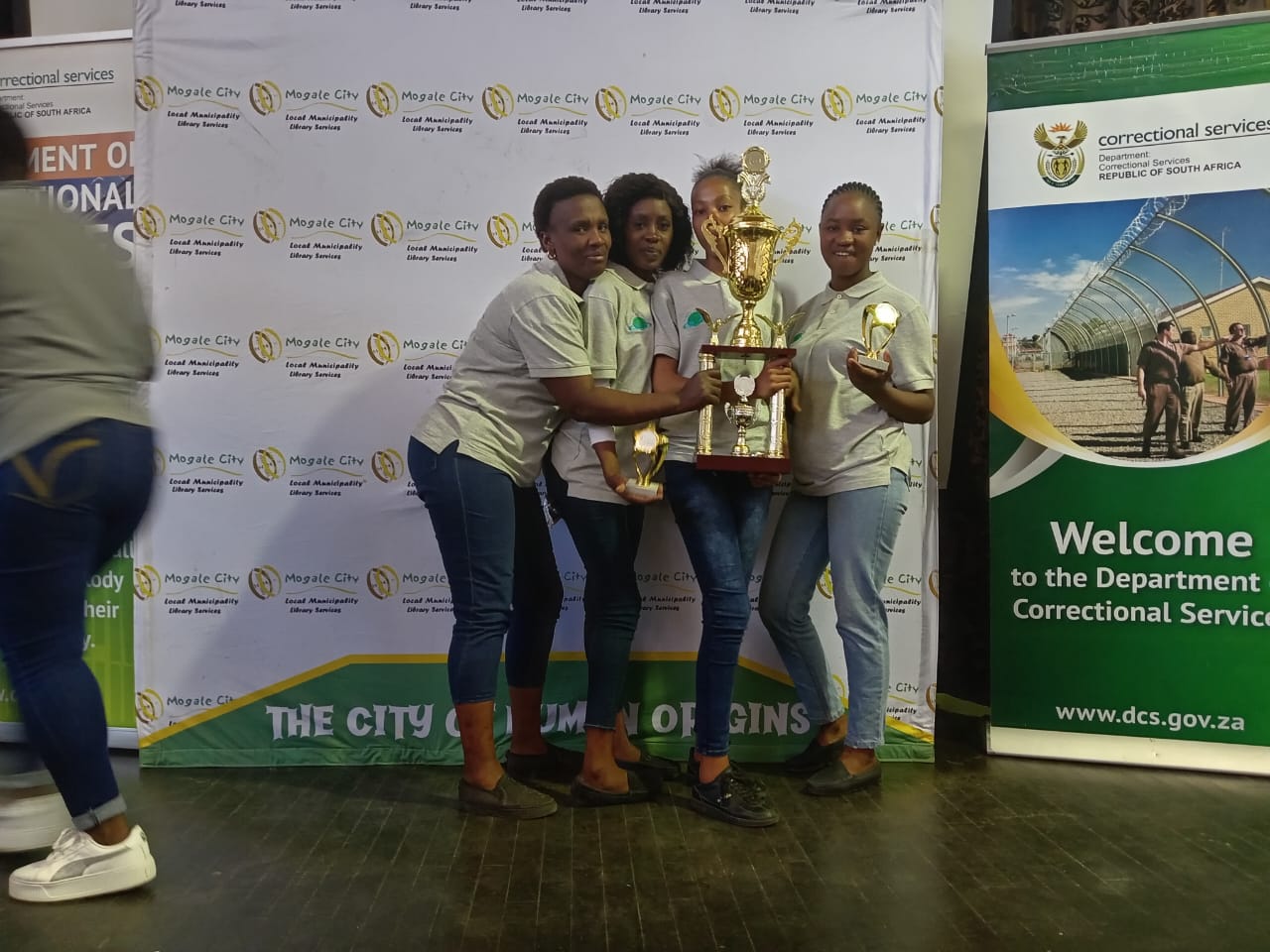
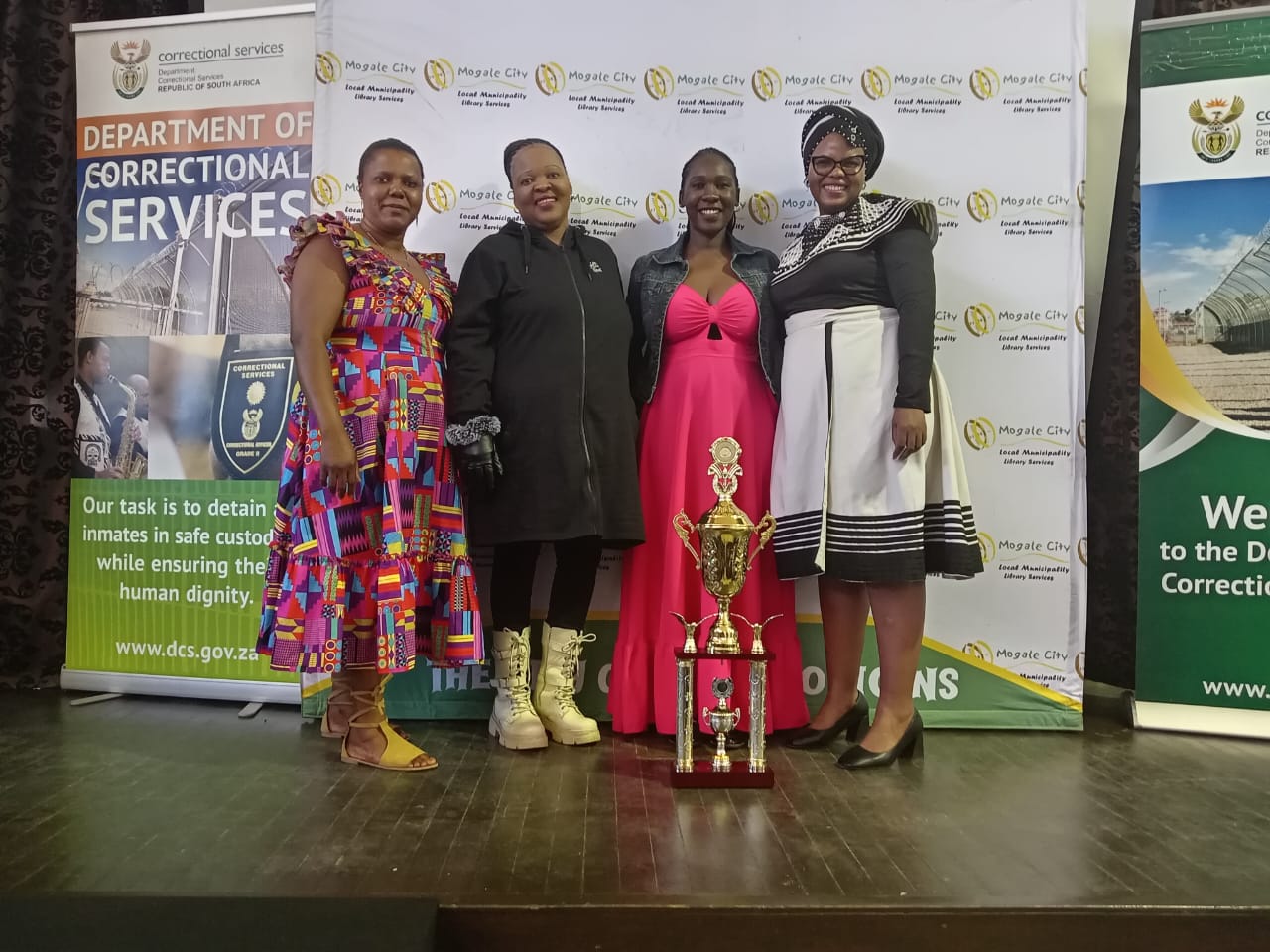
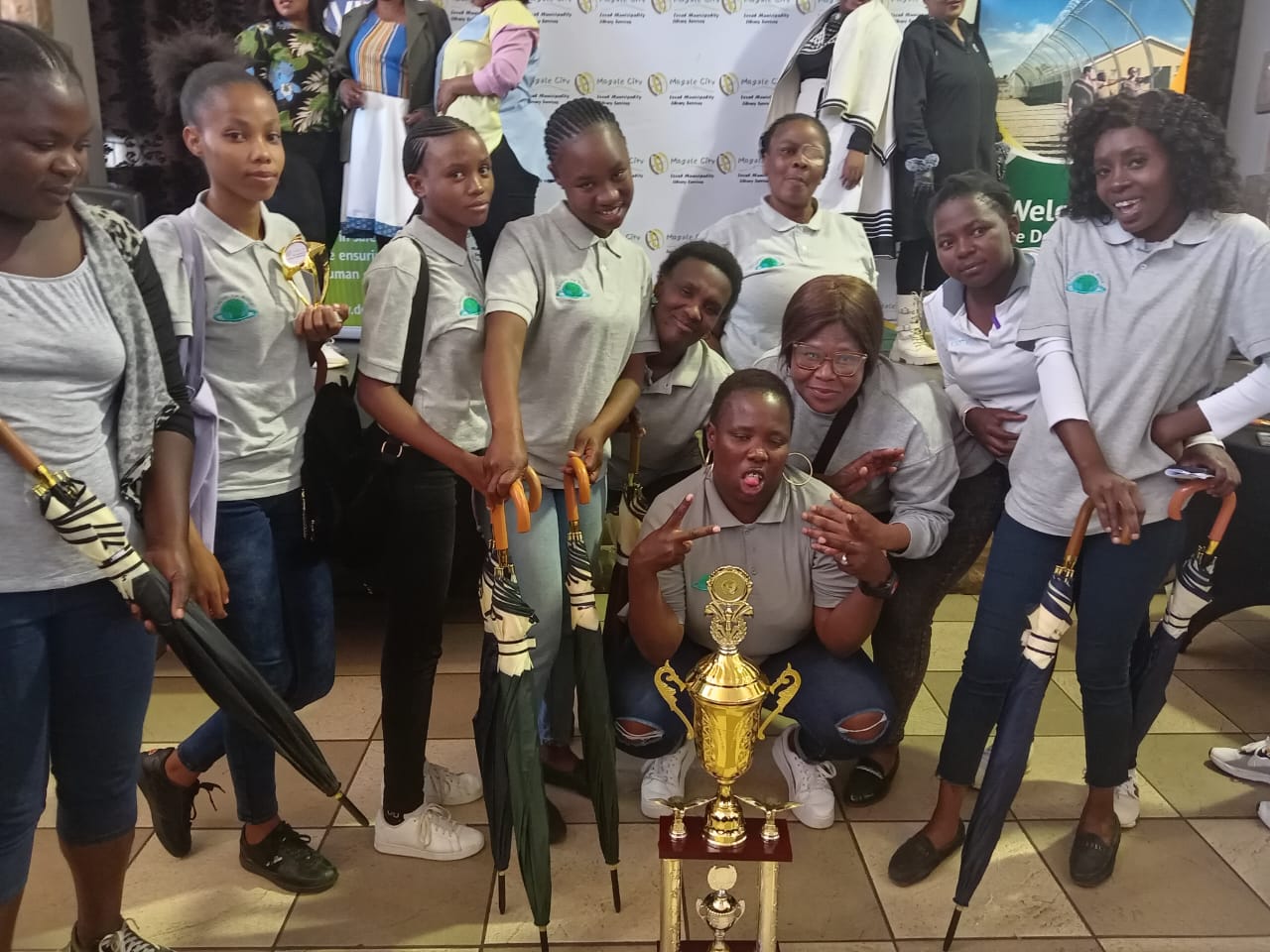
| NGO wellness tournament | 22 Nov 2024 | Friday | MPCC stadium Muldersdrift |
| Harm Reduction Dialogue | 19 Nov 2024 | Tuesday | Munsieville, Krugersdorp, South Africa |
| Amaqhawekazi Orange Fotchville Dialogue | 14 Nov 2024 | Thursday | Kokosi, Fochville, South Africa |
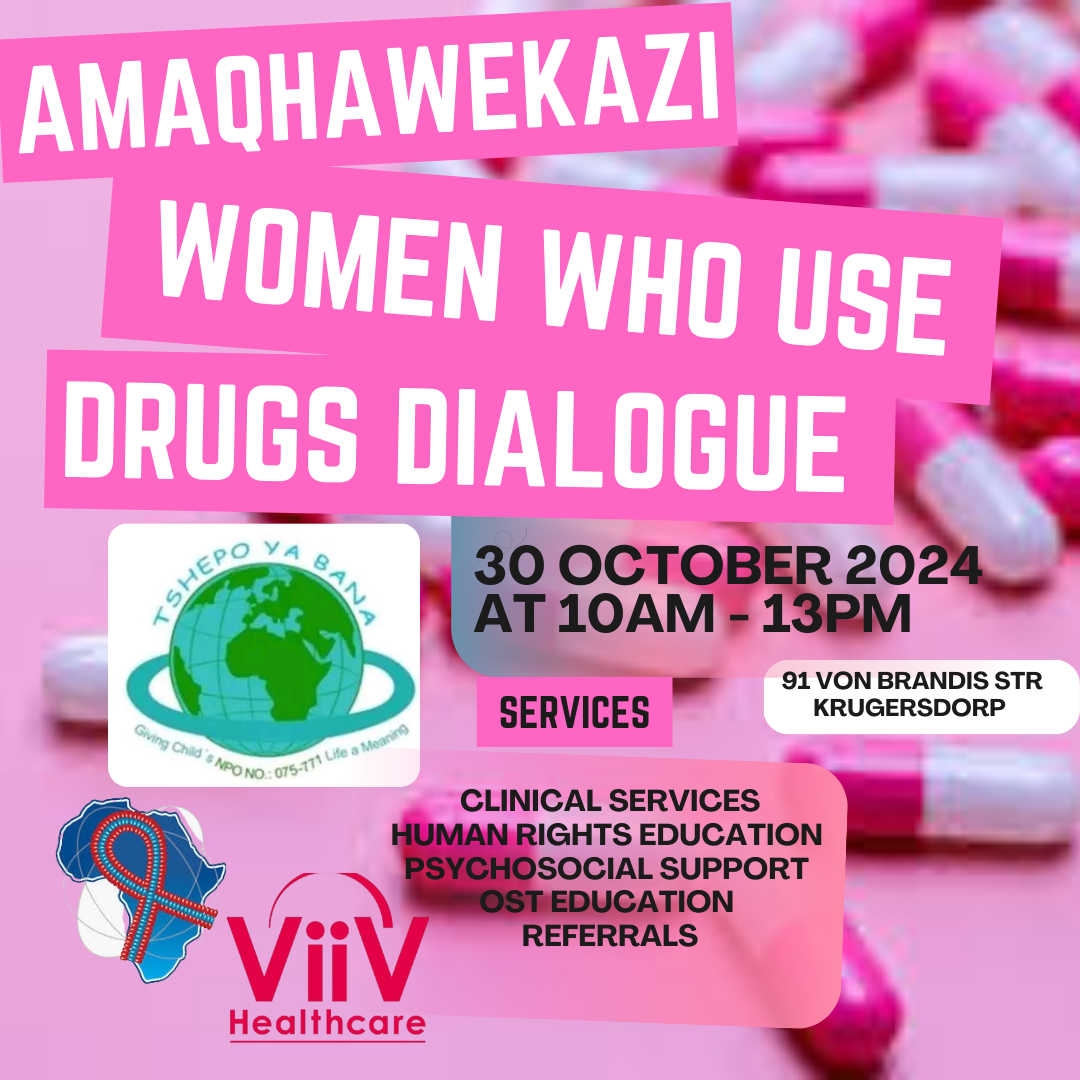
| Amaqhawekazi WWUD dialogue | 30 Oct 2024 | Wednesday | 91 Von Brandis Street, Krugersdorp Stands, Krugersdorp, South Africa |
Programs/projects
HTS
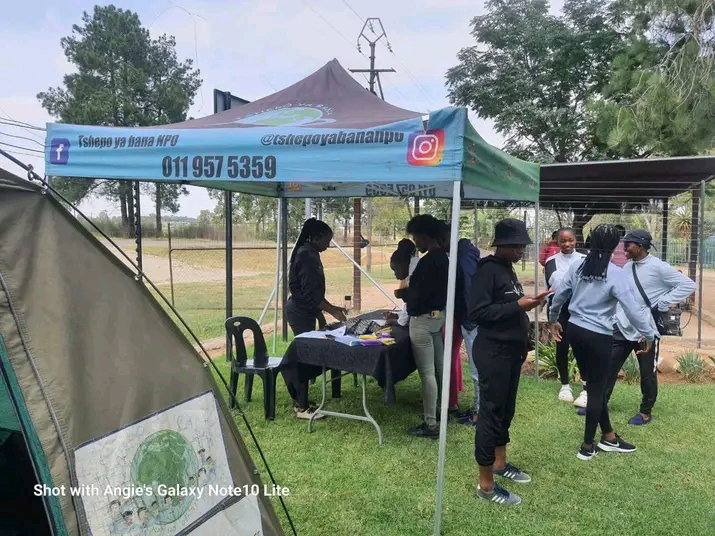
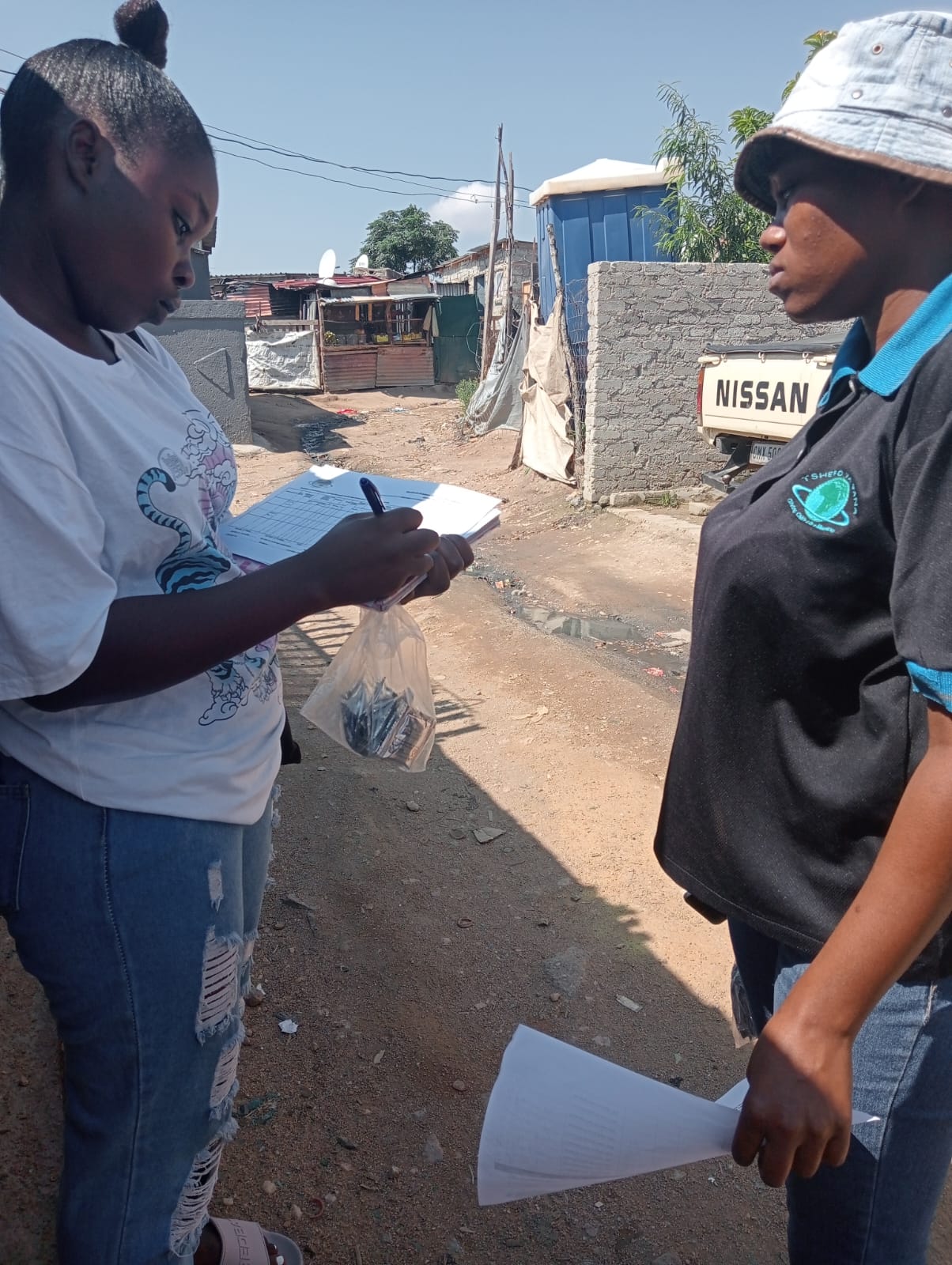
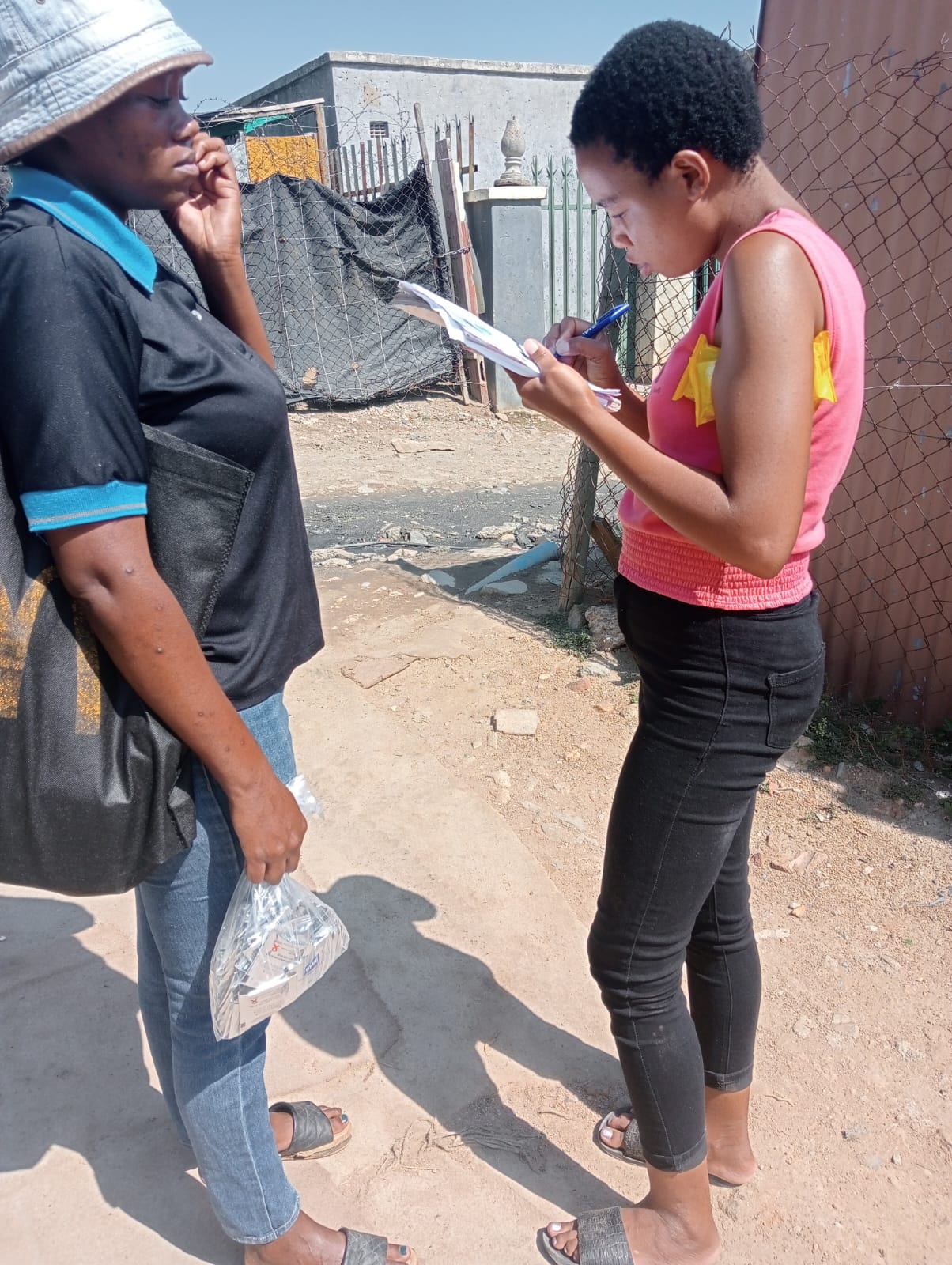
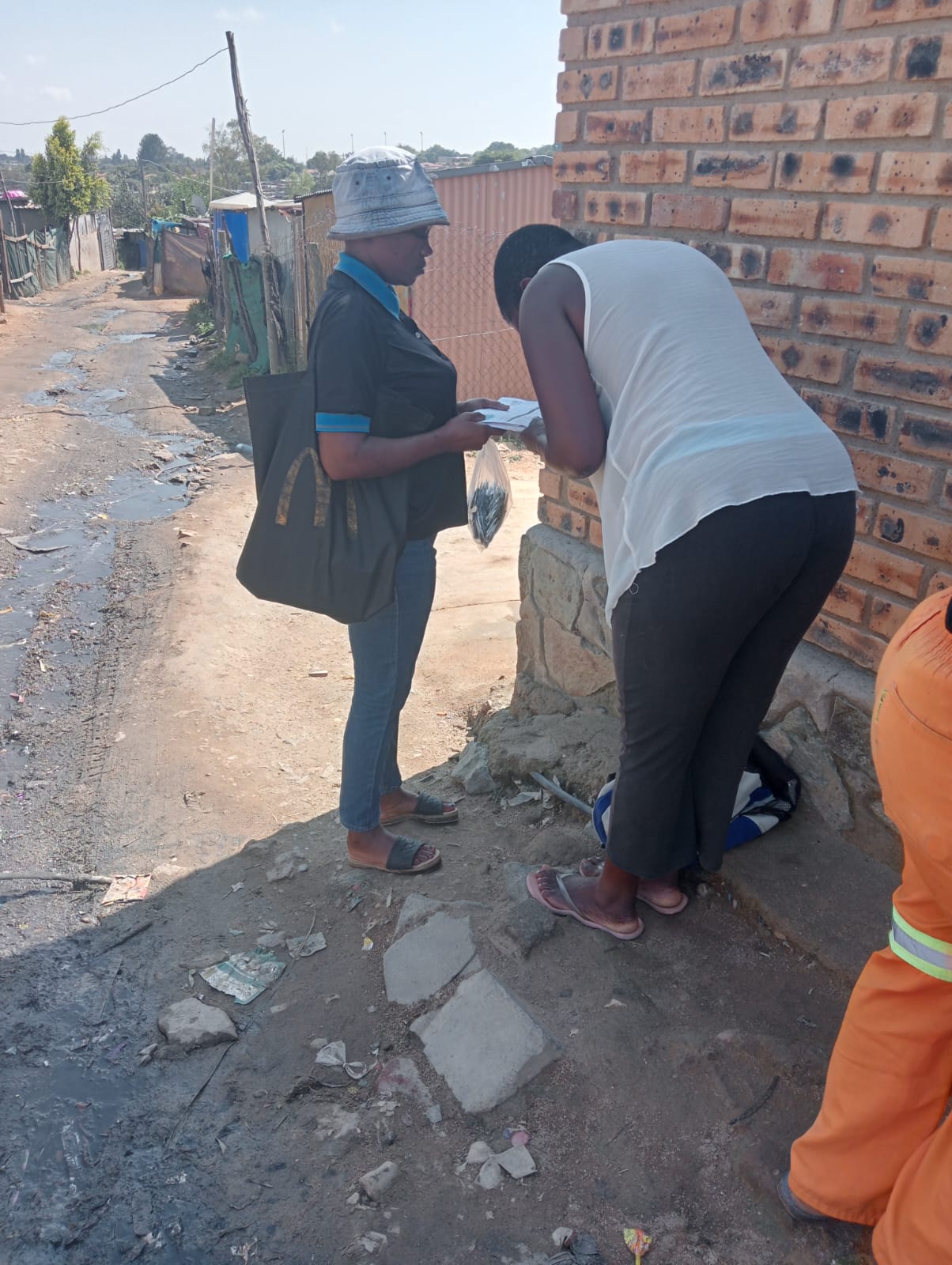
HIV Testing Services (HTS) refer to the processes and procedures used to detect the presence of the Human Immunodeficiency Virus (HIV) in an individual's blood or other bodily fluids. HTS typically include: 1. Pre-test counseling: Information and guidance provided before testing. 2. Testing: Blood or oral fluid samples are collected and tested for HIV antibodies or antigens. 3. Post-test counseling: Results are shared, and individuals receive guidance on next steps. 4. Linkage to care: HIV-positive individuals are connected to treatment and support services. 5. Confidentiality and privacy: Testing and results are kept confidential. HTS aim to: - Identify HIV infections early - Prevent transmission - Connect individuals to treatment and support - Reduce stigma and promote awareness HTS are usually provided in healthcare settings, community centers, or mobile testing units. Tshepo Ya Bana is your Go to Organization providing instant results at your earliest convenience
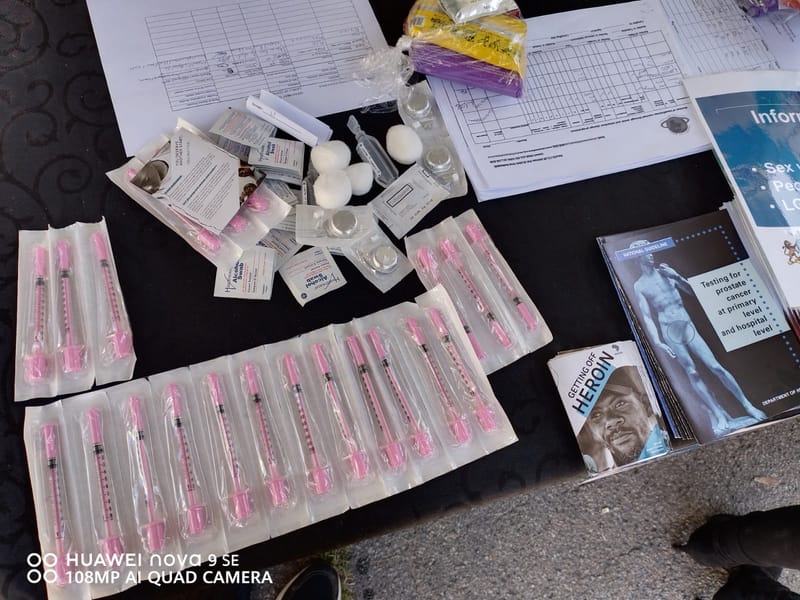
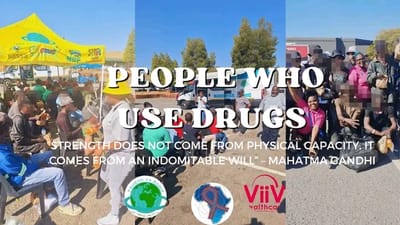
PWUD/PWID
PWID stands for People Who Inject Drugs. It refers to individuals who inject drugs, such as heroin, methamphetamine, or other substances, into their bodies using needles or syringes. PWID background includes: 1. High-risk behaviors: Sharing needles, syringes, or other equipment, which can lead to blood-borne infections like HIV, hepatitis, and abscesses. 2. Health concerns: Increased risk of overdose, skin infections, and cardiovascular diseases. 3. Social and economic challenges: Stigma, marginalization, poverty, and homelessness. 4. Criminal justice involvement: Arrests, incarceration, and legal issues related to drug use. 5. Limited access to healthcare: Barriers to medical treatment, harm reduction services, and substance use disorder treatment. Understanding the PWID background is crucial for developing effective harm reduction strategies, improving healthcare access, and addressing the social determinants of health that affect this population. People who use drugs (PWUD) often have elevated prevalence of substance use disorders and co occuring chronic conditions such as mental health issues (eg..mood disorders) and infection diseases (eg HIV,Hepatitis) We render services within Westrand and we are located at 91 Von Brandis street Krugersdorp 1739
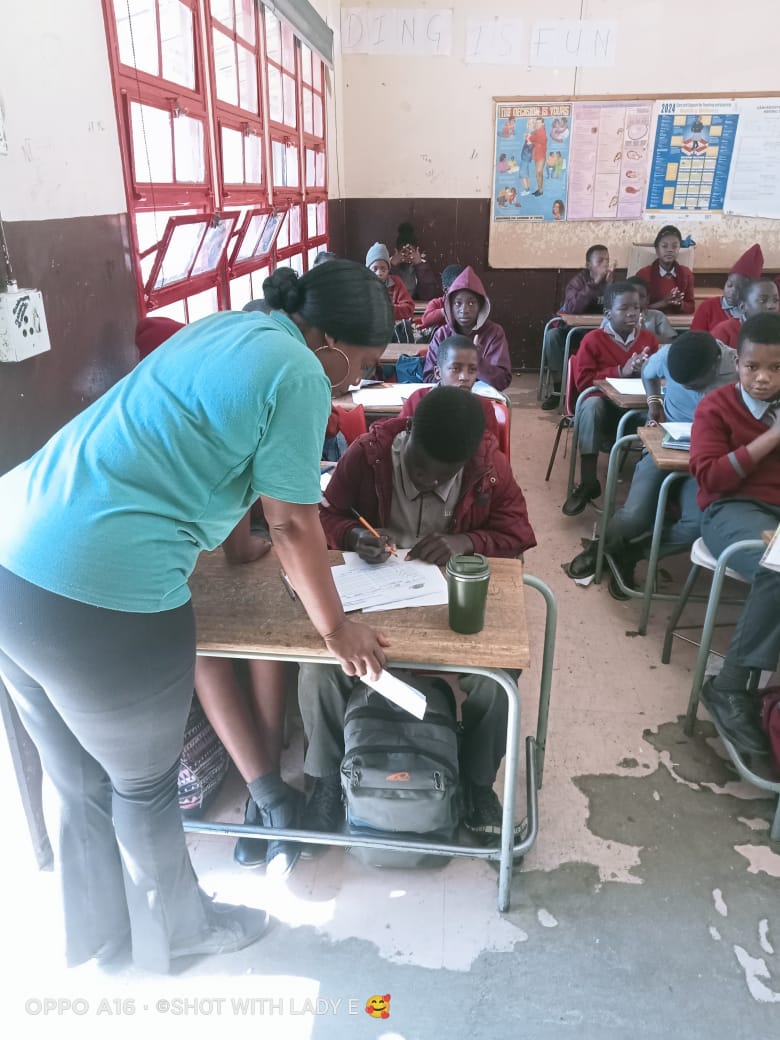
OVCs and Psychosocial support
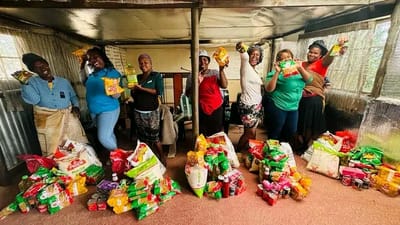
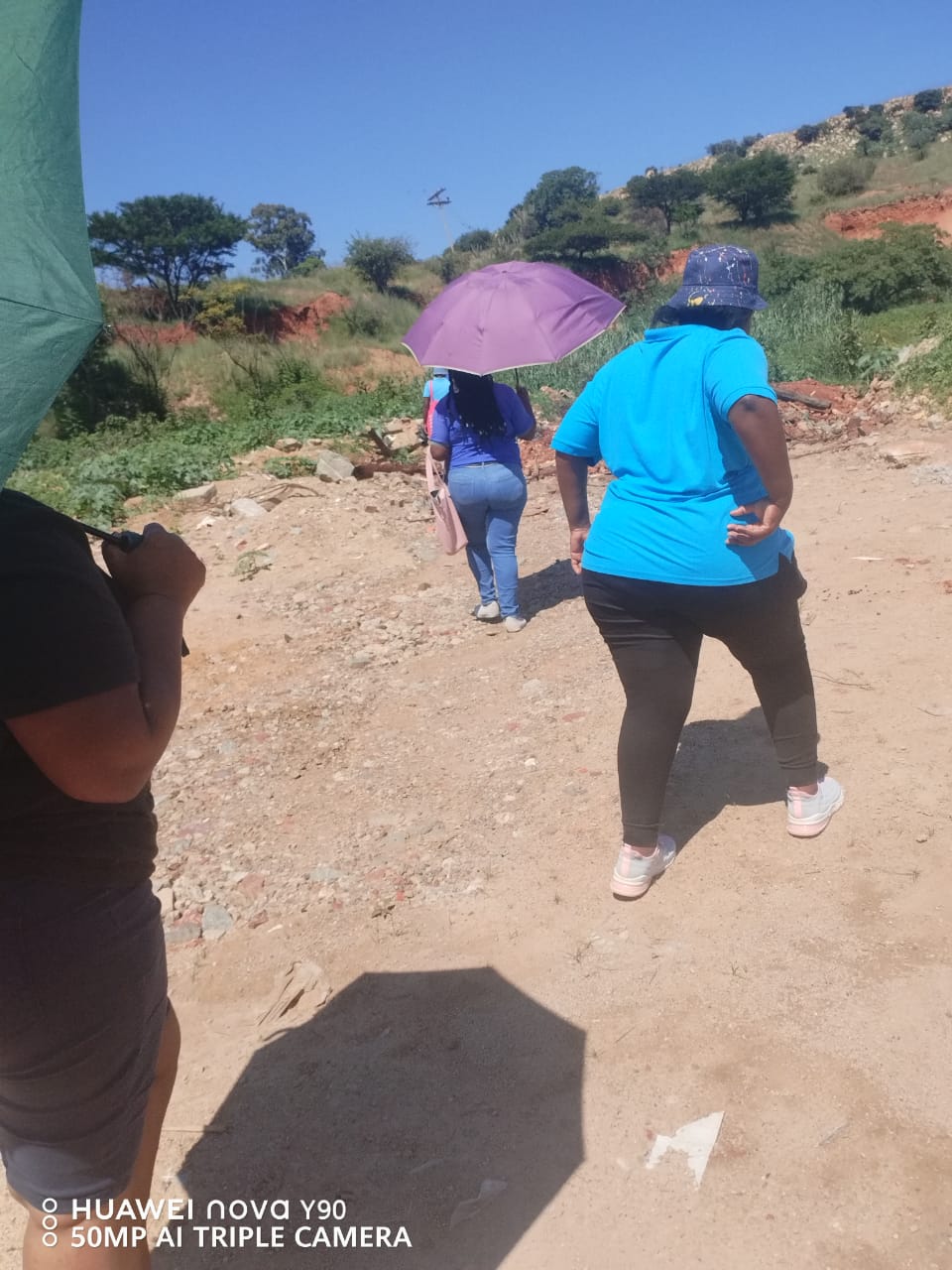
serve children in adverse situations,including children and adolescents who are living with HIV,HIV exposed infants,living with HIV positive caregivers,orphaned,at risk of becoming HIV infected or a combination of these factors. We also do case referrals,home visits,homework assistance,community dialogues and door to door campaigns,feeding schemes to schools,GBV and stigma and descrimination etc
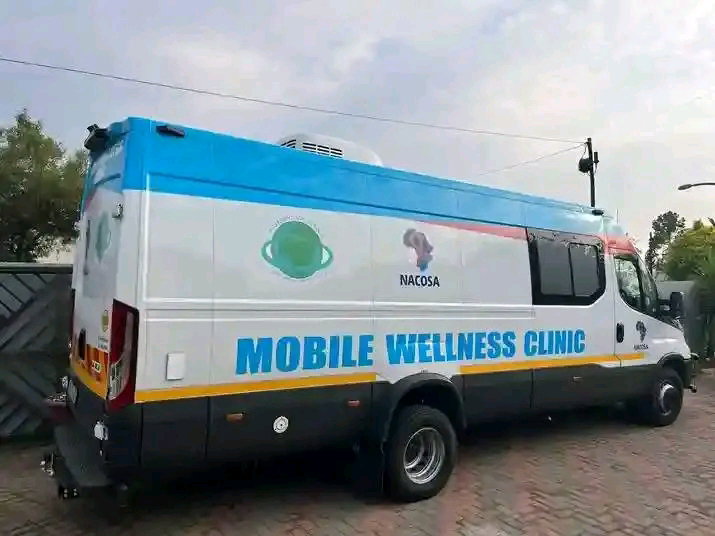
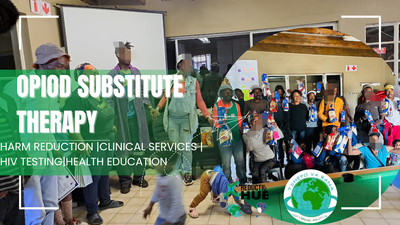
Opiod Substitution Therapy (OST)
BACKGROUND The People Who Use Drugs (PWUD) programme funded by the Global Fund aims to reduce HIV and Hepatitis infection as well as the negative health and human rights outcomes for People Who Inject Drugs (PWID) in South Africa. Programme Outcomes • Prevent new infections of HIV, Hepatitis and TB amongst people who inject and use drugs. • Improve the 95 95 95 health outcomes for PWID by using combination prevention approaches. • Improve access to drug treatment for PWID to support HIV prevention and improve quality of life for PWID. • Reduce human rights, social and structural barriers to HIV, Hepatitis and TB prevention, care and impact among PWID. • Strengthen advocacy for PWID human rights and programming in South Africa. PURPOSE The purpose of the Opioid Substitution Therapy (OST) process evaluation is to understand the benefits of OST, challenges in implementation and use the results of the evaluation to inform programme implementation in the next grant cycle. The evaluation will seek to understand factors that support or deter OST accessibility, uptake and retention and its linkages to treatment data such as ART and hepatitis services. Drawing on the resulting information, lessons can be formulated and used to improve on current programme implementation for the remainder of the grant, and can inform future grants and other PWUD programmes. Objectives of The Evaluation 1) To profile OST beneficiaries and document results of the data: • Provide a description of the Harm reduction programme cohort in relation to gender, age, education, description (PWUD or PWID) • Provide a description of the OST cohort in relation to gender, age, education, description (PWUD or PWID), duration on treatment • Reduction in illicit opioid use: Evaluate the percentage of patients who have successfully reduced or stopped using illicit opioids based on ASSIST scores. • Improved social functioning: Examine improvements in employment, education, housing, and family relationships. • Health outcomes: Analyze changes in physical and mental health, including infectious disease rates and mental health status. • Measure improvements in the overall quality of life for participants, including well-being, social integration, and stability. 2) To assess the factors and programme elements which support or deter OST accessibility, uptake and retention: • Barriers and enablers to clients’ access to OST • Describe demand creation and information dissemination processes for OST • Barriers and enablers to clients’ retention on OST. • Evaluate how PWUDs’ understanding of their risk profile influence OST uptake and retention 3) To assess resource requirements and utilization: • Whether the current resources, capacity and infrastructure in line with the outcomes of the OST programme. 4) To assess whether the OST programme has achieved its intended outcomes • To what extent does being on OST contribute to other programme outcomes in terms of ART, Hepatitis, TB treatment uptake and retention. Evaluation Participants • People Who Use Drugs (PWUD) • People Who Inject Drugs (PWID) • Family or support buddies of OST patients • Global Fund Programme Implementers (Subrecipient staff) • Community members • Stakeholders: South African National AIDs council (SANAC) TSU and Sub-Recipients (SRs), Department of Health, South African Health Products regulatory Authority (SAPHRA), Department of Social Development • Local technical experts and other OST implementing organizations (Community Oriented Substance Use Programme (COSUP), TB HIV Care PEPFAR sites) • Community led monitoring programme staff
Independent development trust project
The objective of an Independent Development Trust (IDT) project for Non-Governmental Organizations (NGOs) is to: 1. *Empower NGOs*: Strengthen their capacity to implement development projects and programs. 2. *Promote Sustainability*: Enhance their ability to manage resources, finances, and operations sustainably. 3. *Support Community Development*: Enable NGOs to effectively address community needs and challenges. 4. *Foster Collaboration*: Encourage partnerships and networking among NGOs, government, and private sector. 5. *Build Capacity*: Provide training, mentorship, and technical assistance to enhance skills and knowledge. 6. *Improve Governance*: Strengthen NGO governance, transparency, and accountability. 7. *Enhance Impact*: Increase the impact and effectiveness of NGO programs and projects. 8. *Promote Innovation*: Encourage innovative solutions and approaches to development challenges. 9. *Support Advocacy*: Amplify the voices of NGOs and communities in advocacy and policy dialogue. 10. *Foster Self-Reliance*: Gradually reduce dependence on external funding, promoting self-sufficiency. By achieving these objectives, IDT projects can contribute to the growth and effectiveness of NGOs, ultimately benefiting the communities they serve.
Donate
R400
Vacancies
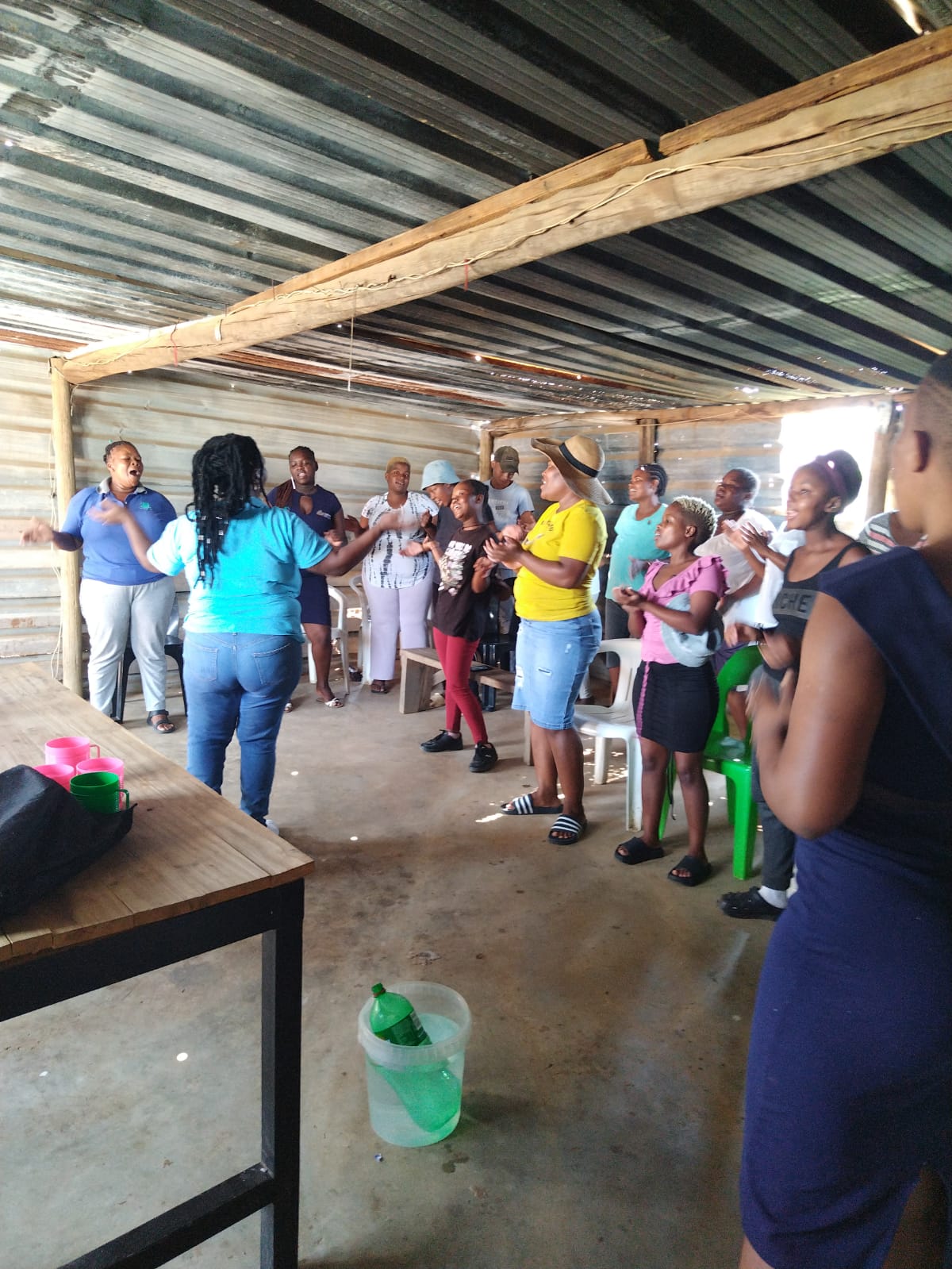
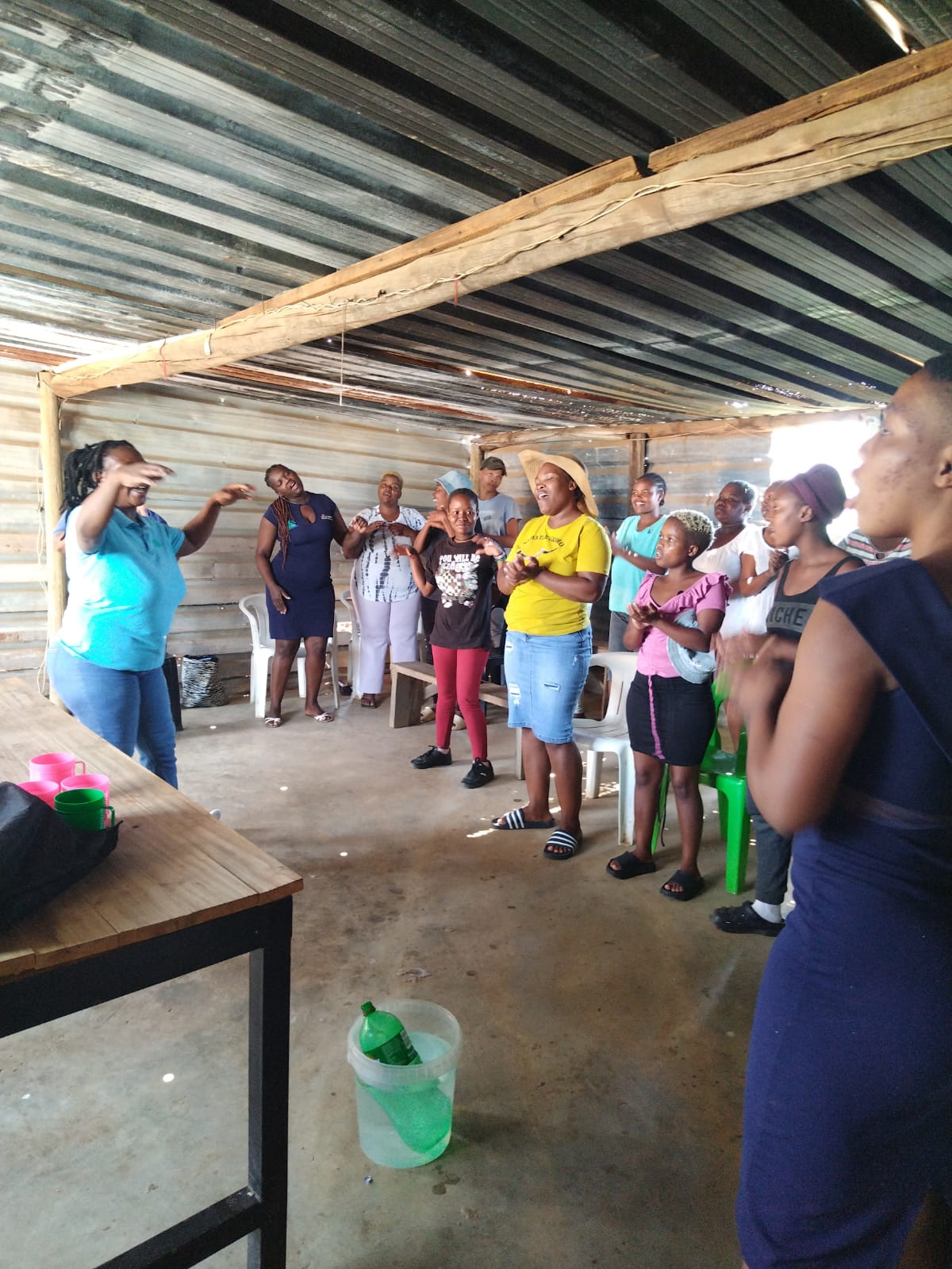
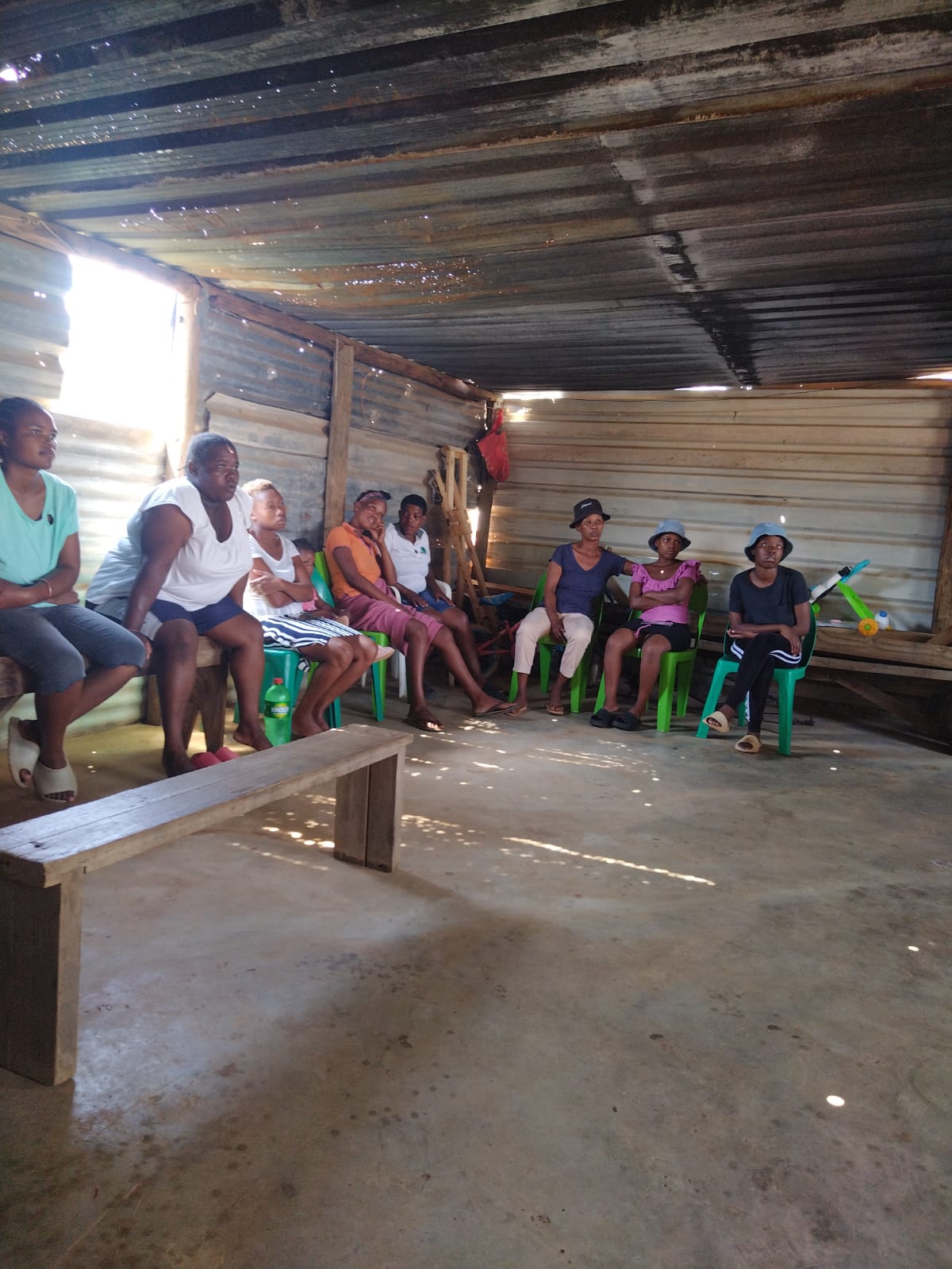
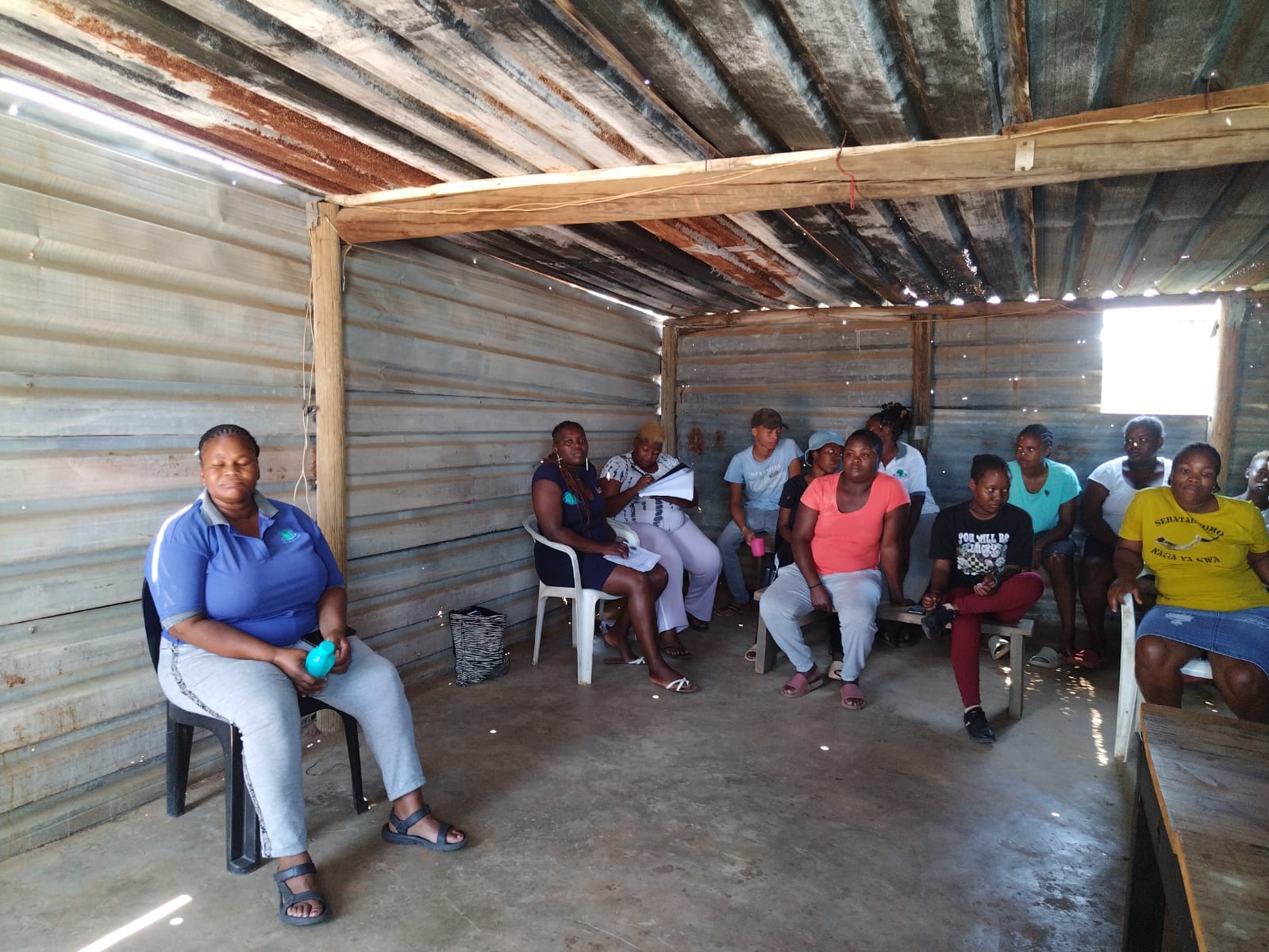
Gallery

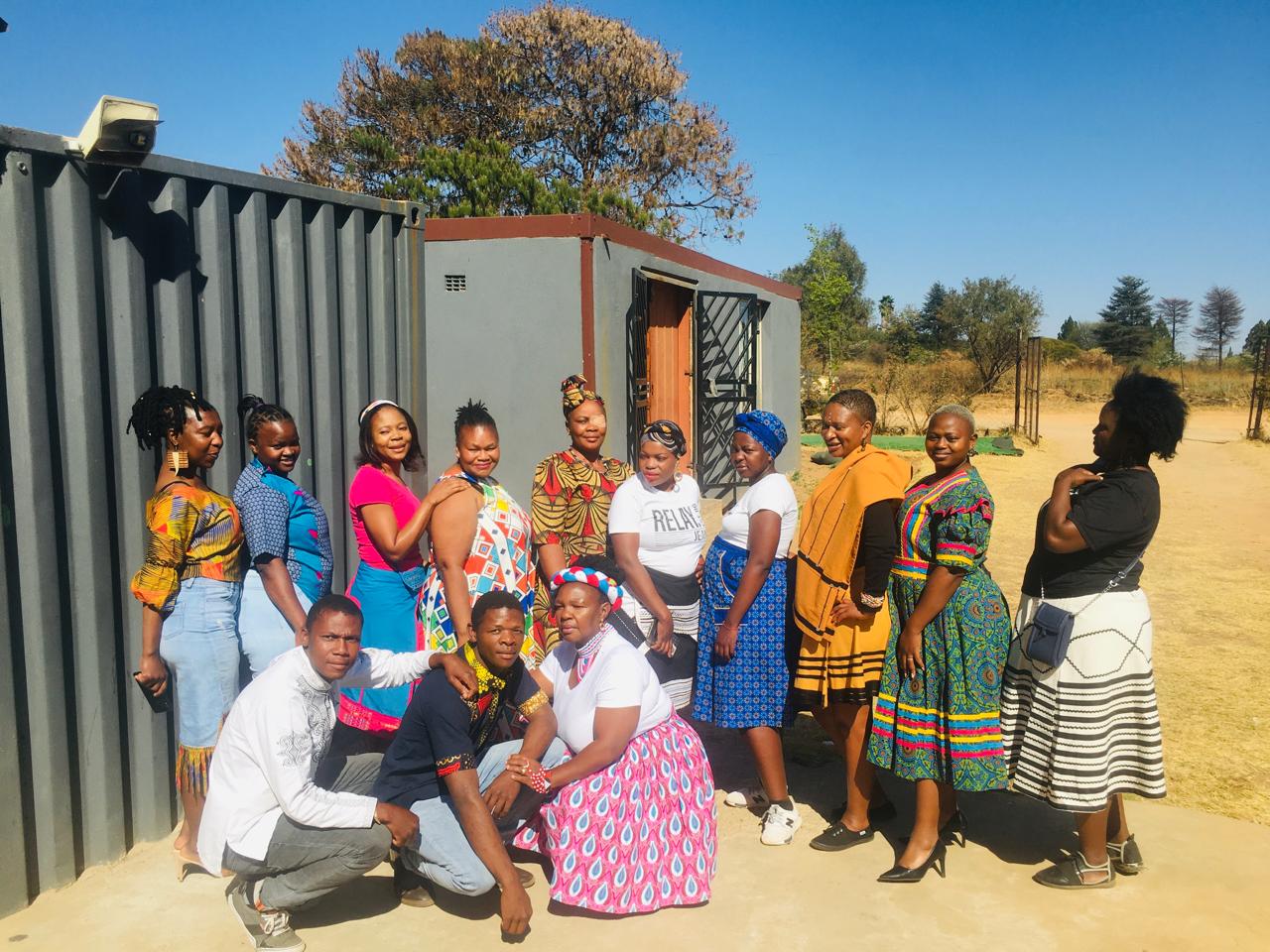
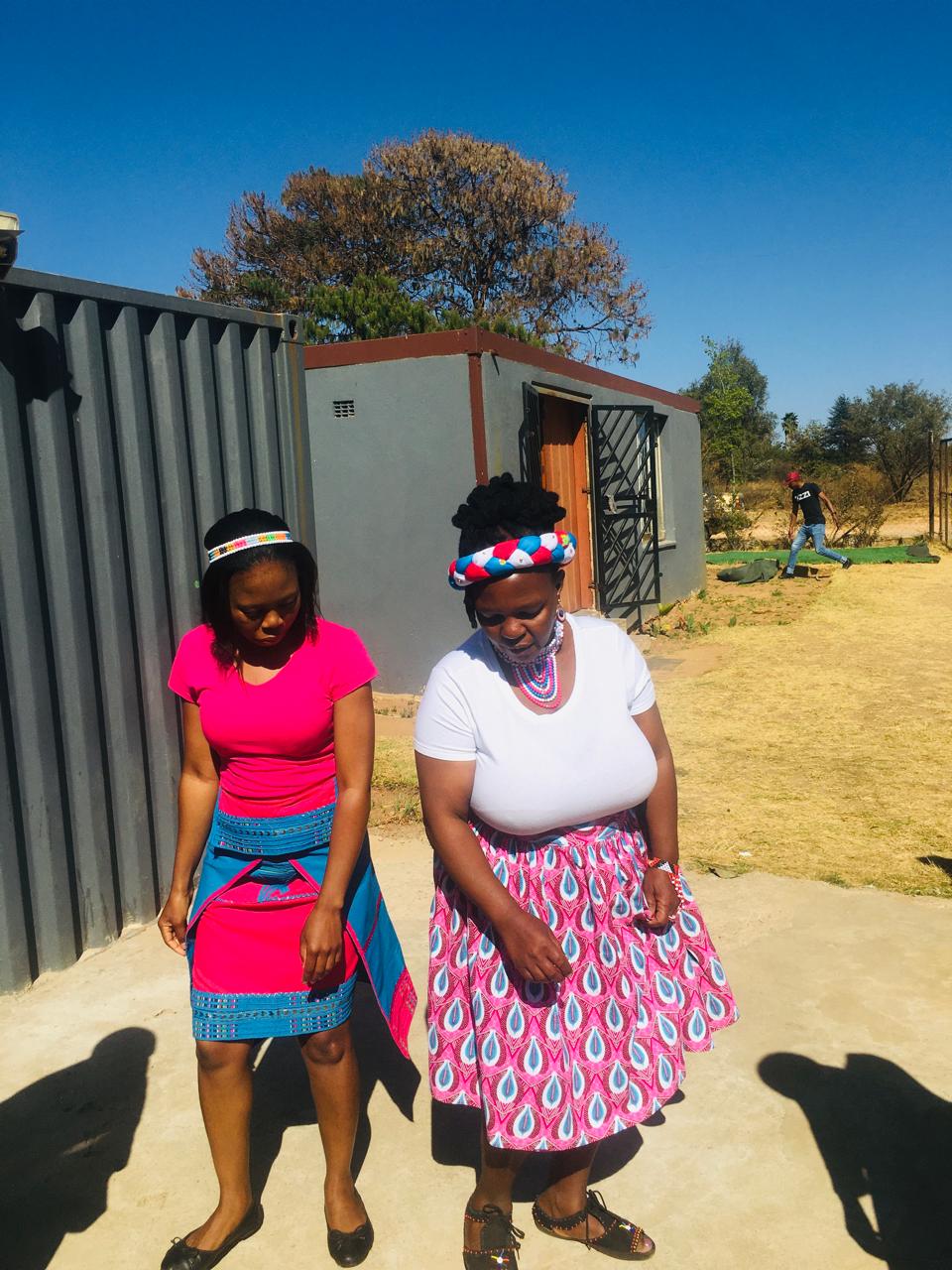
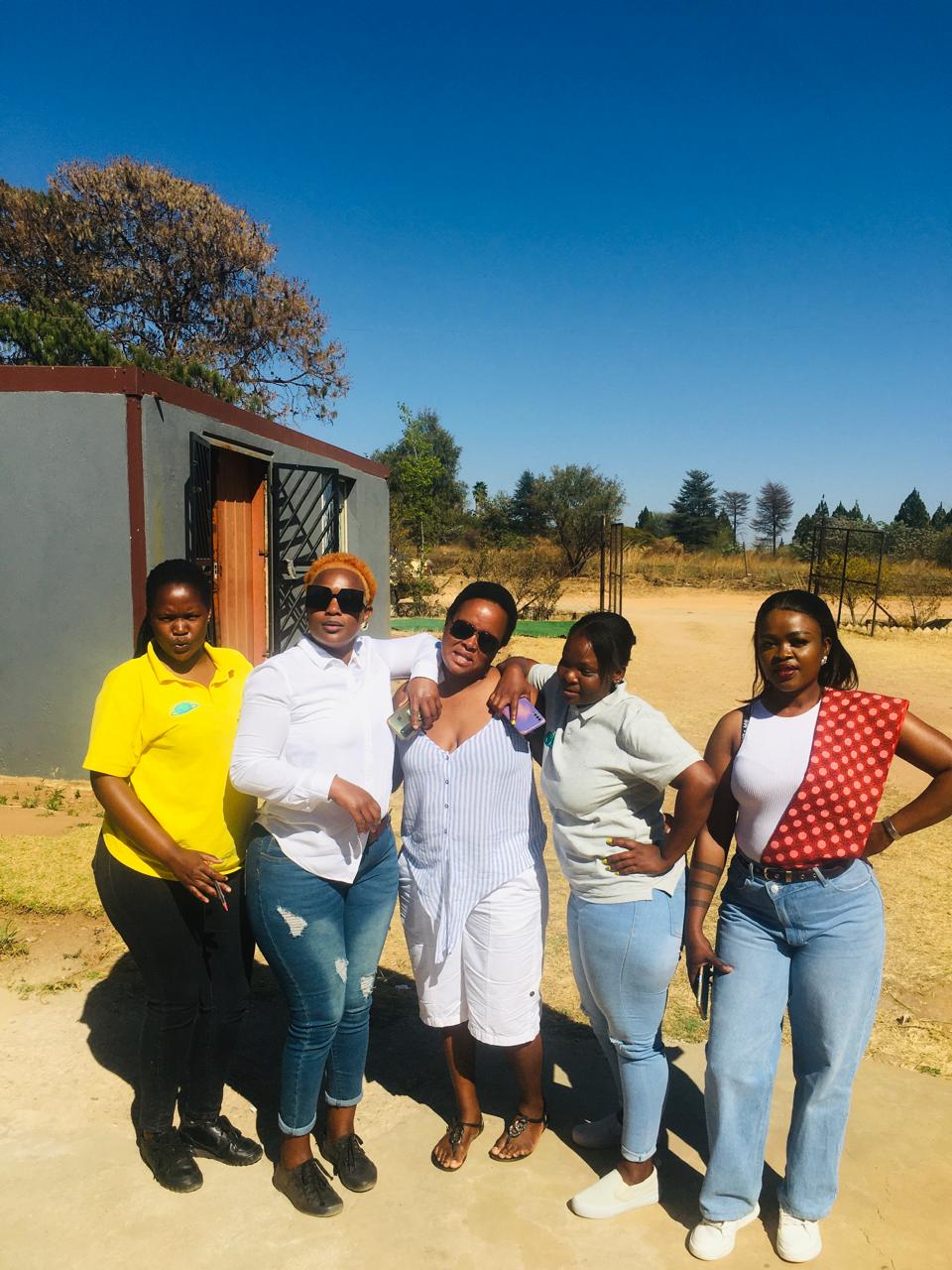
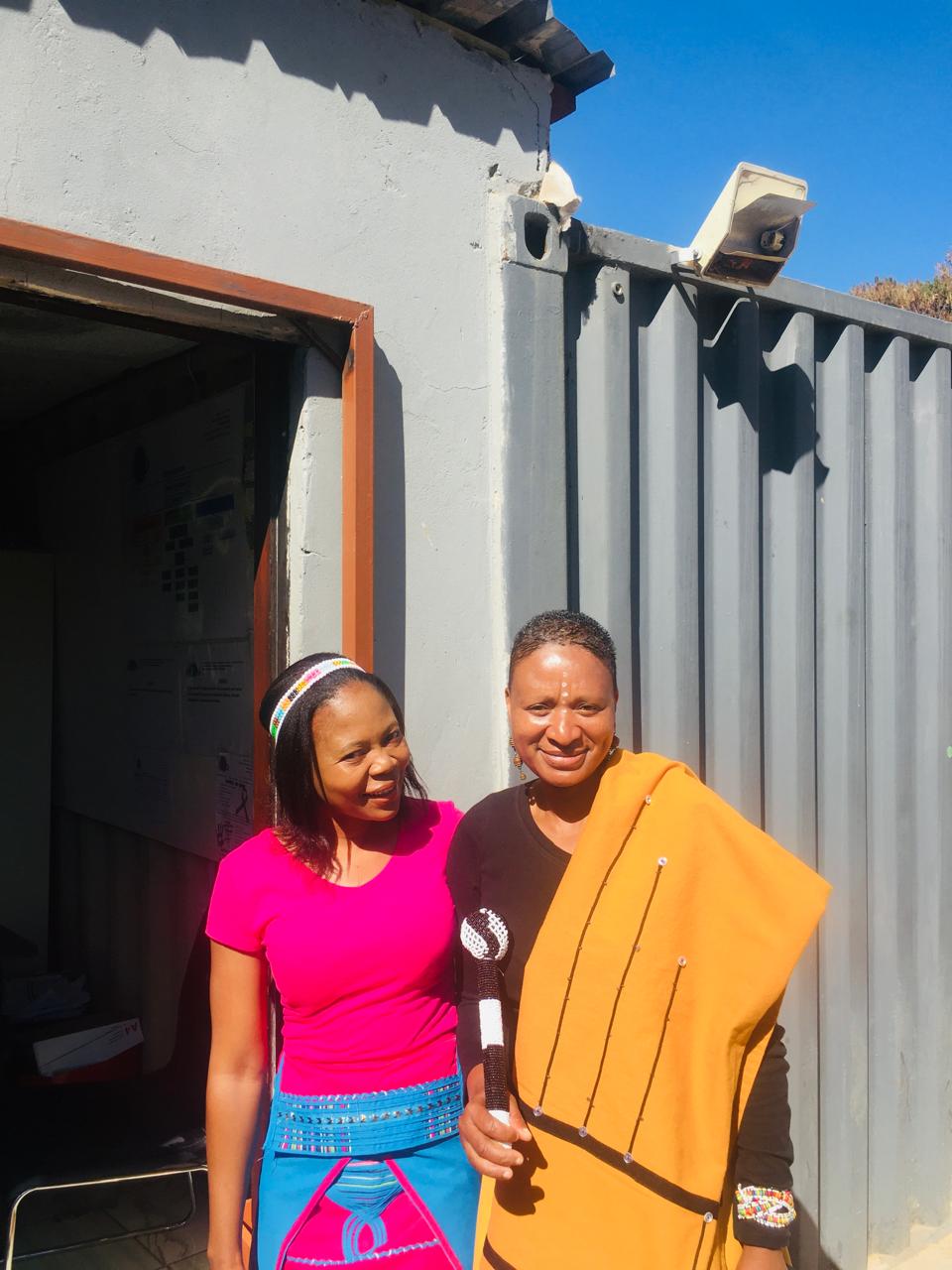
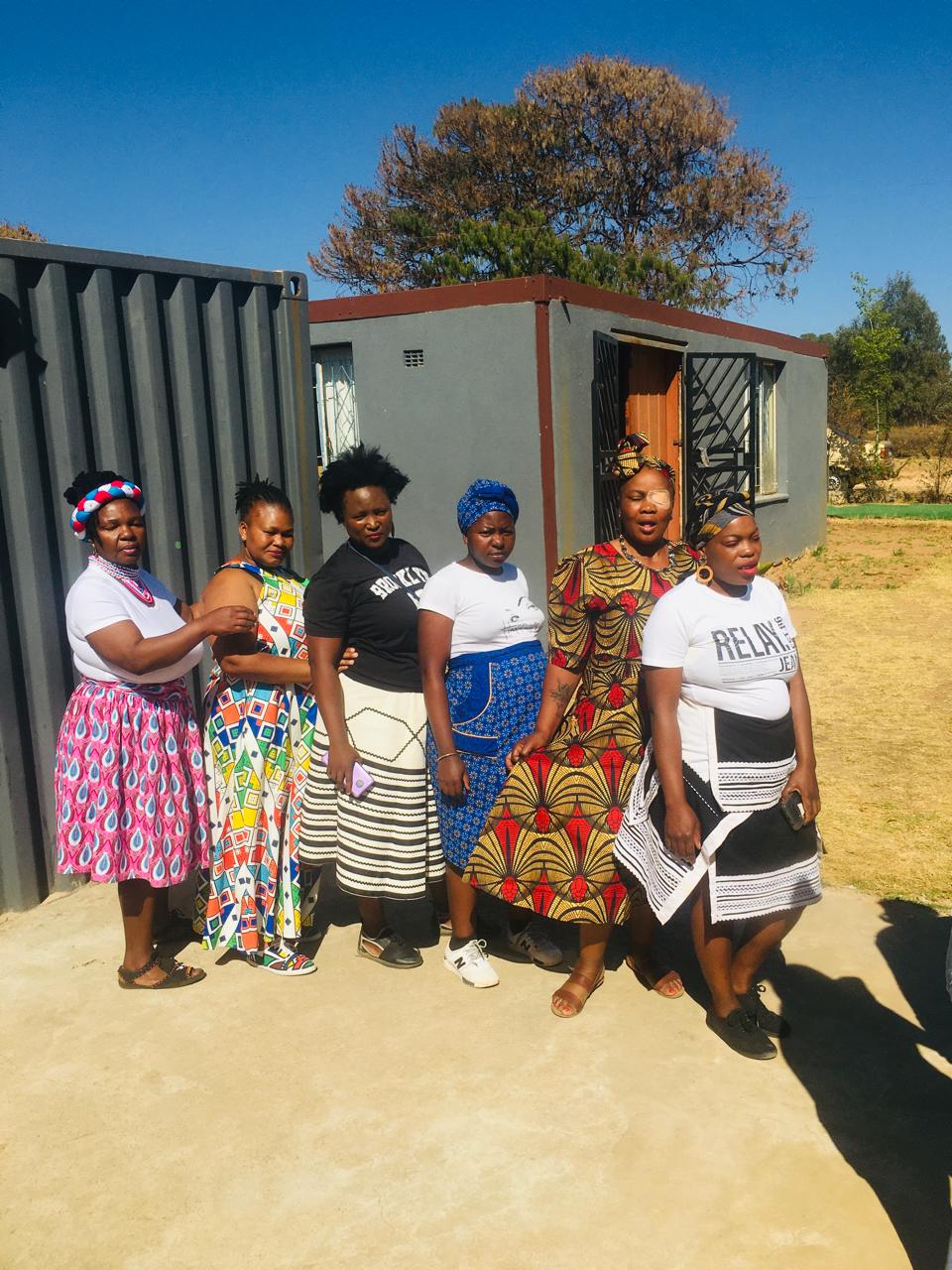
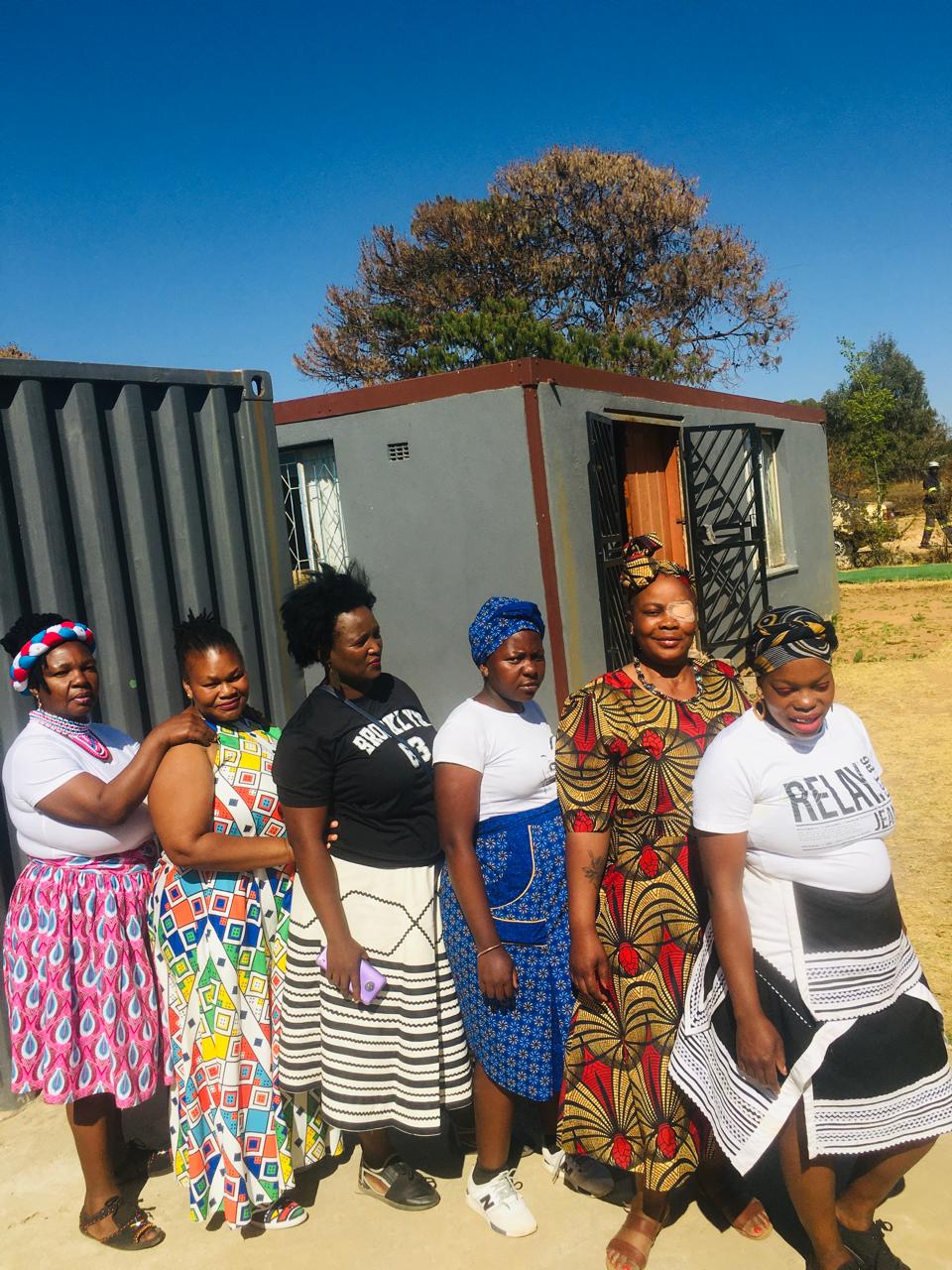

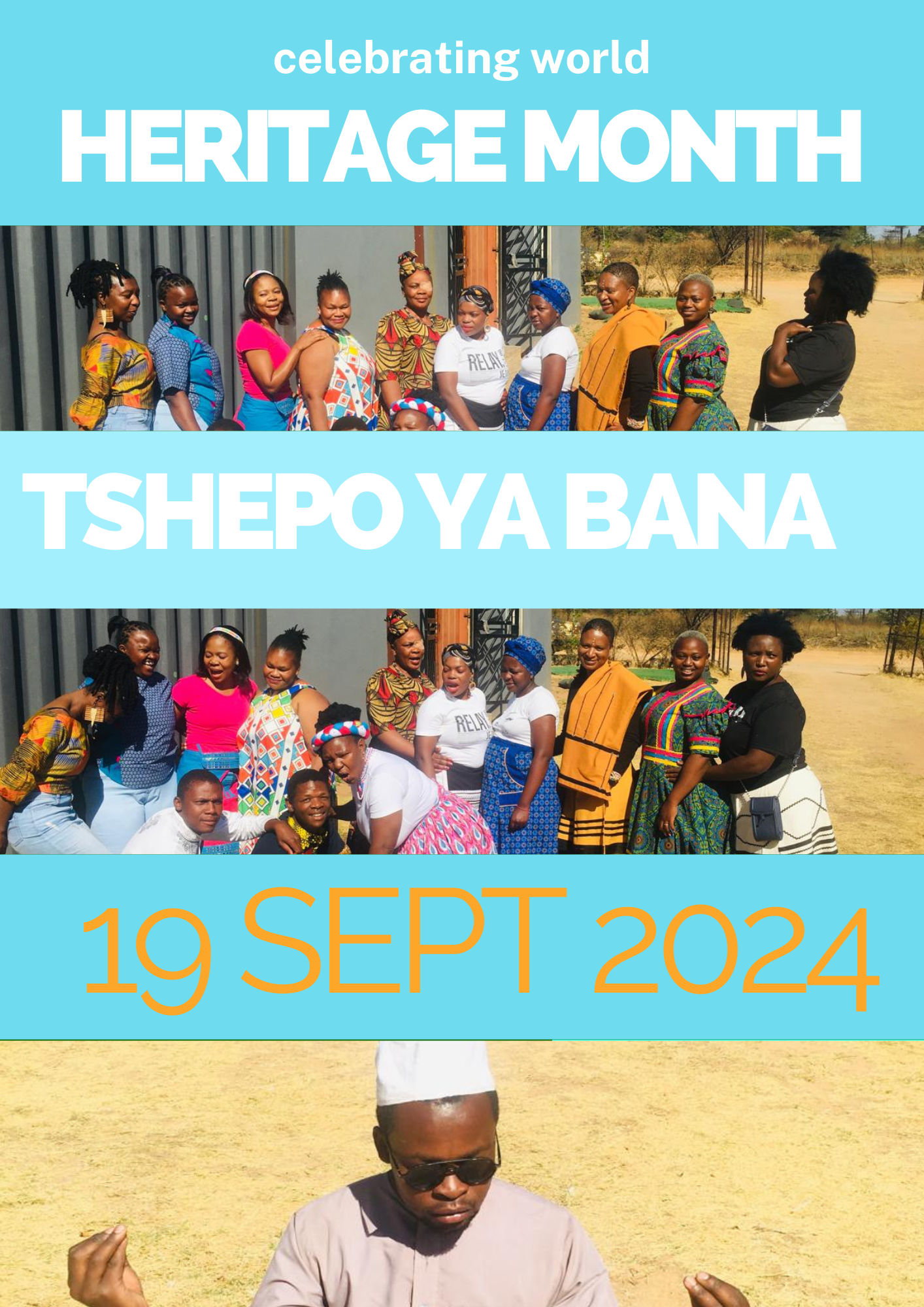

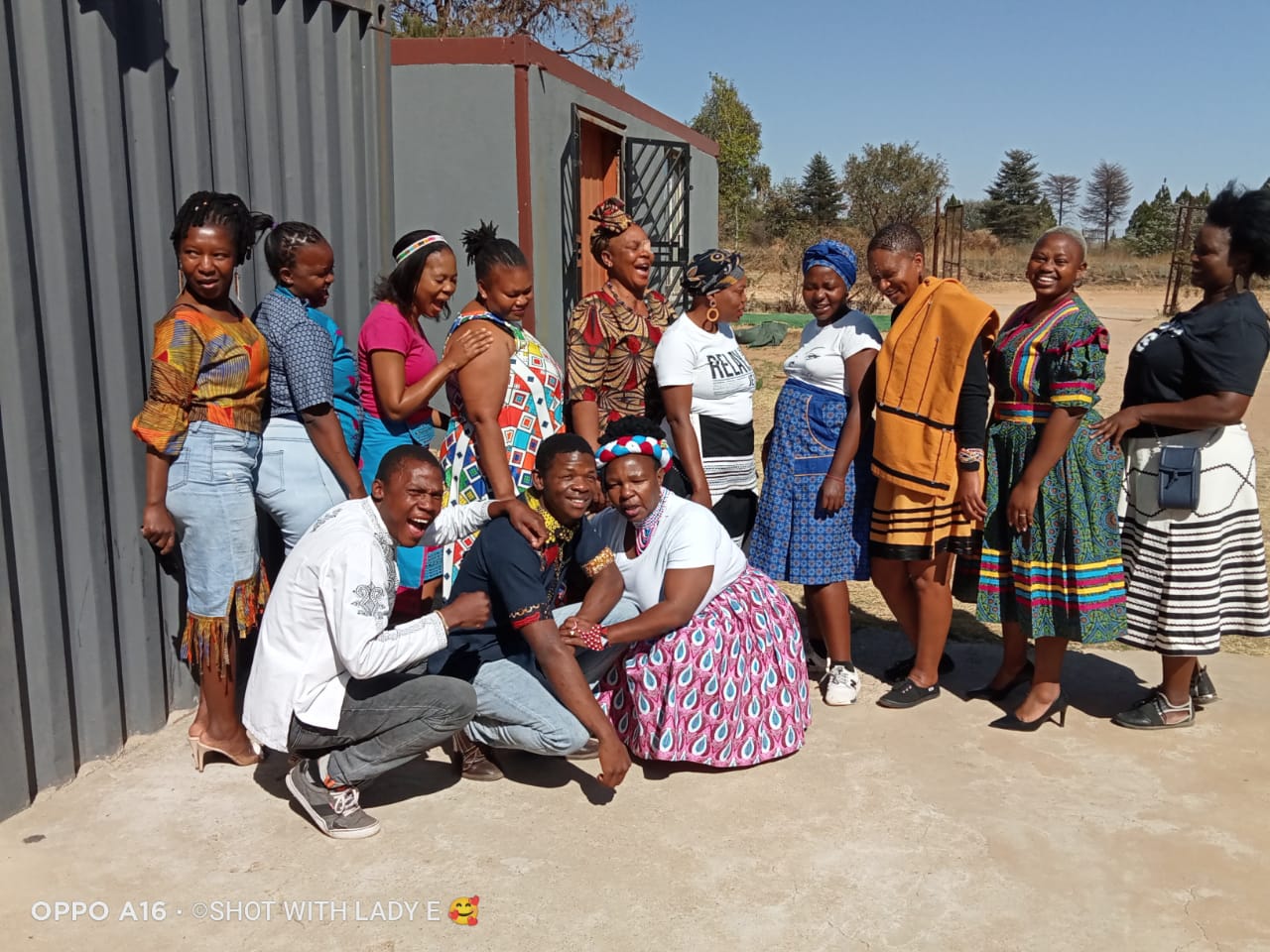

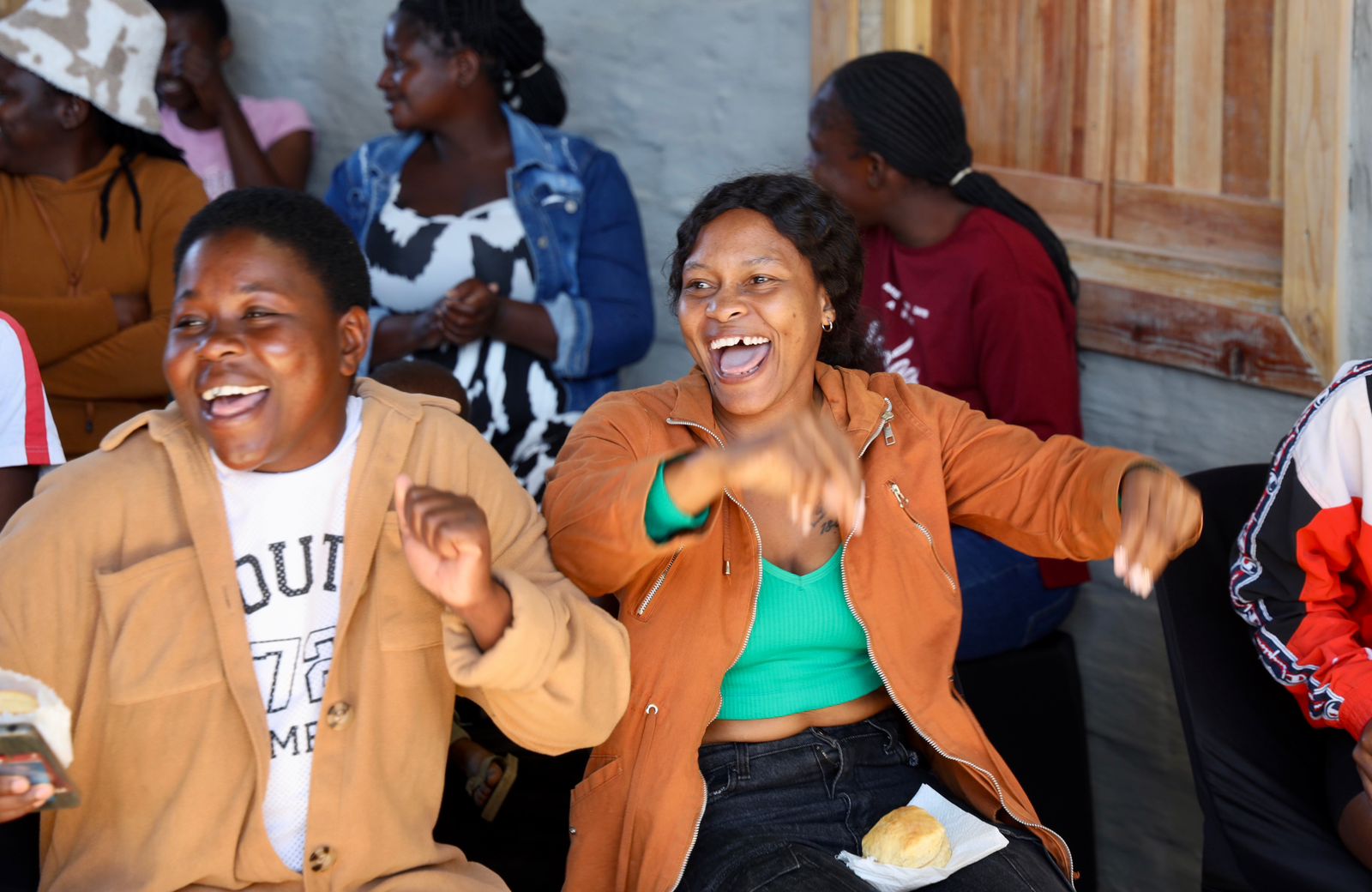
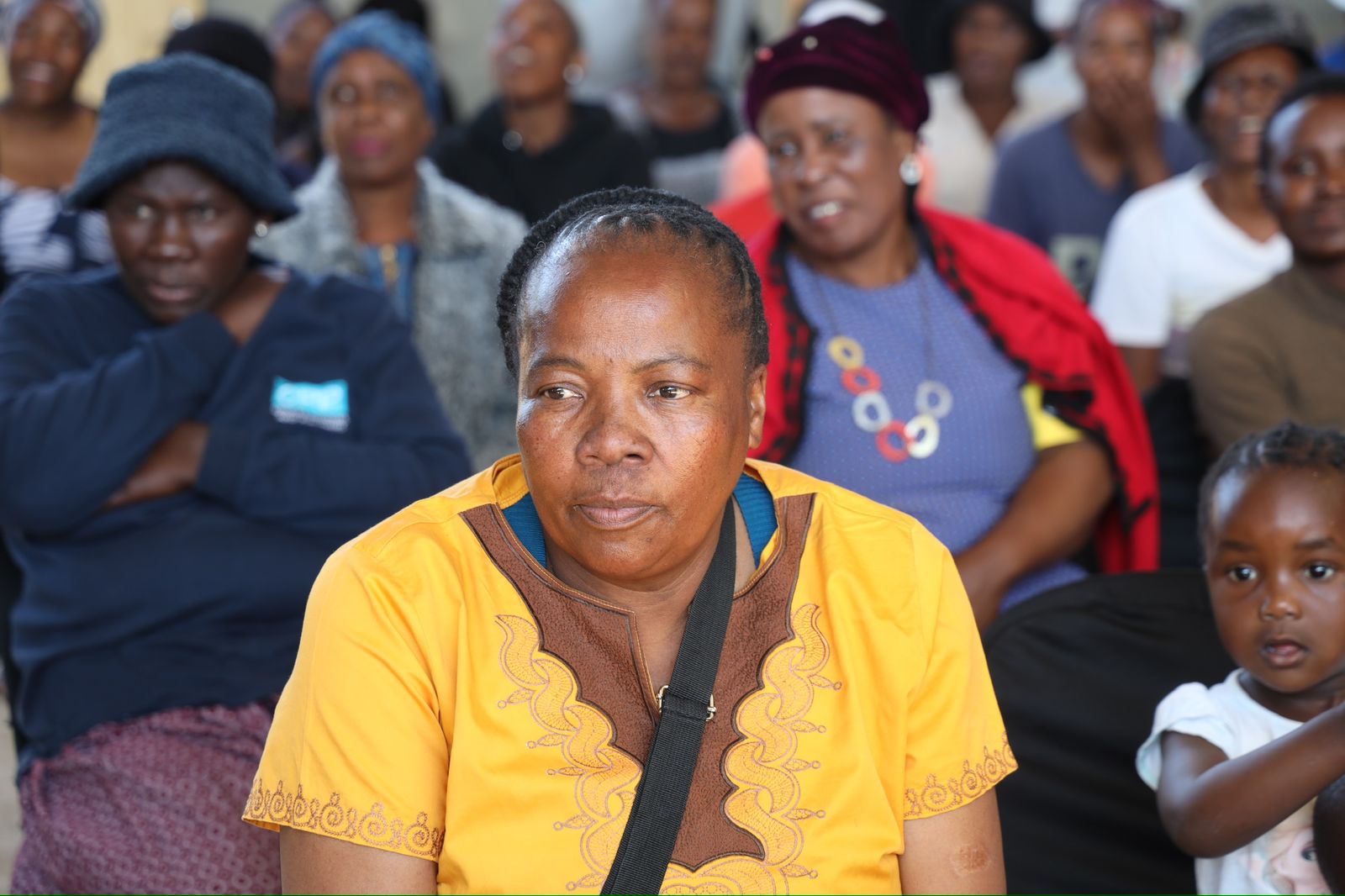
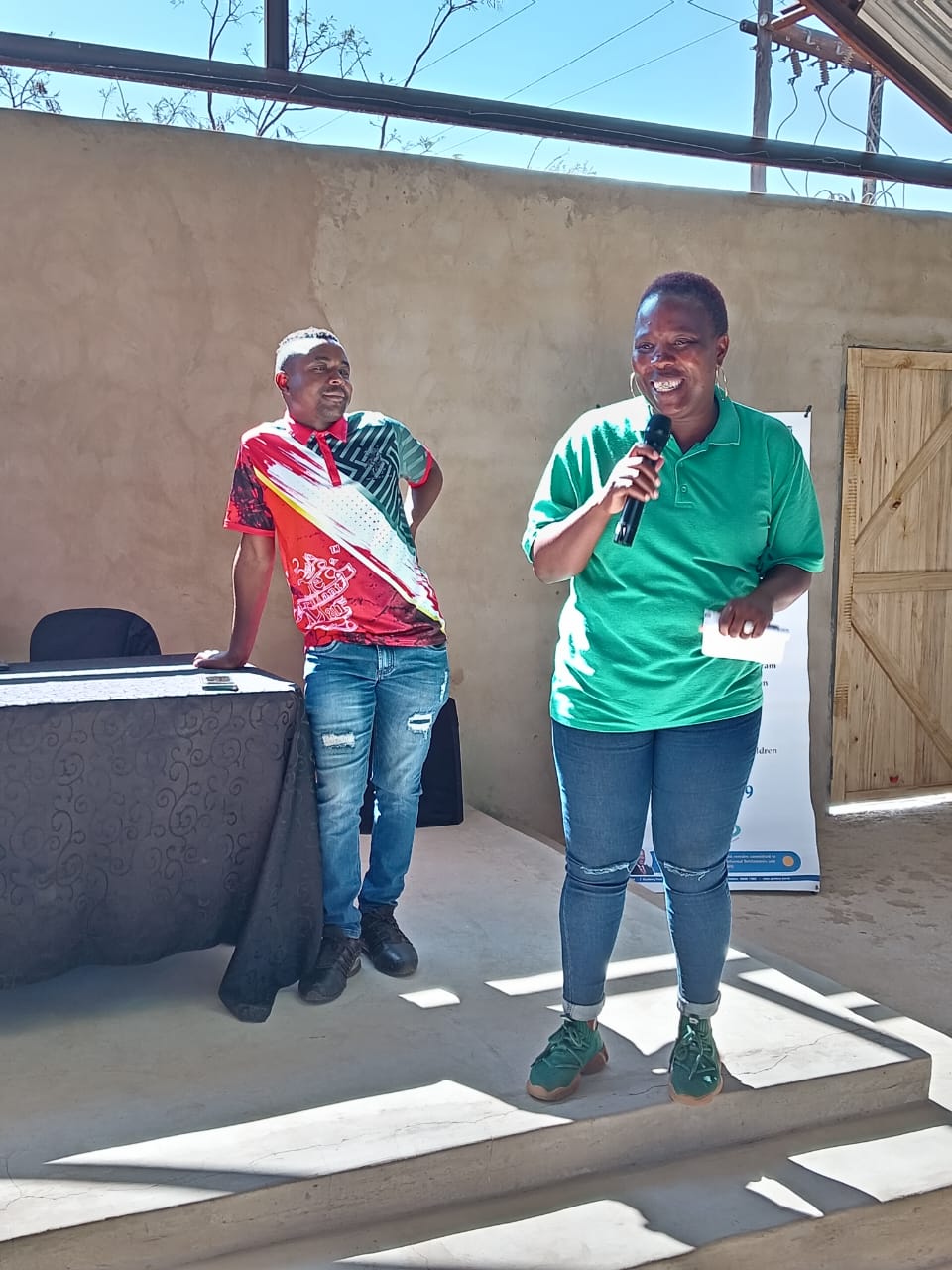
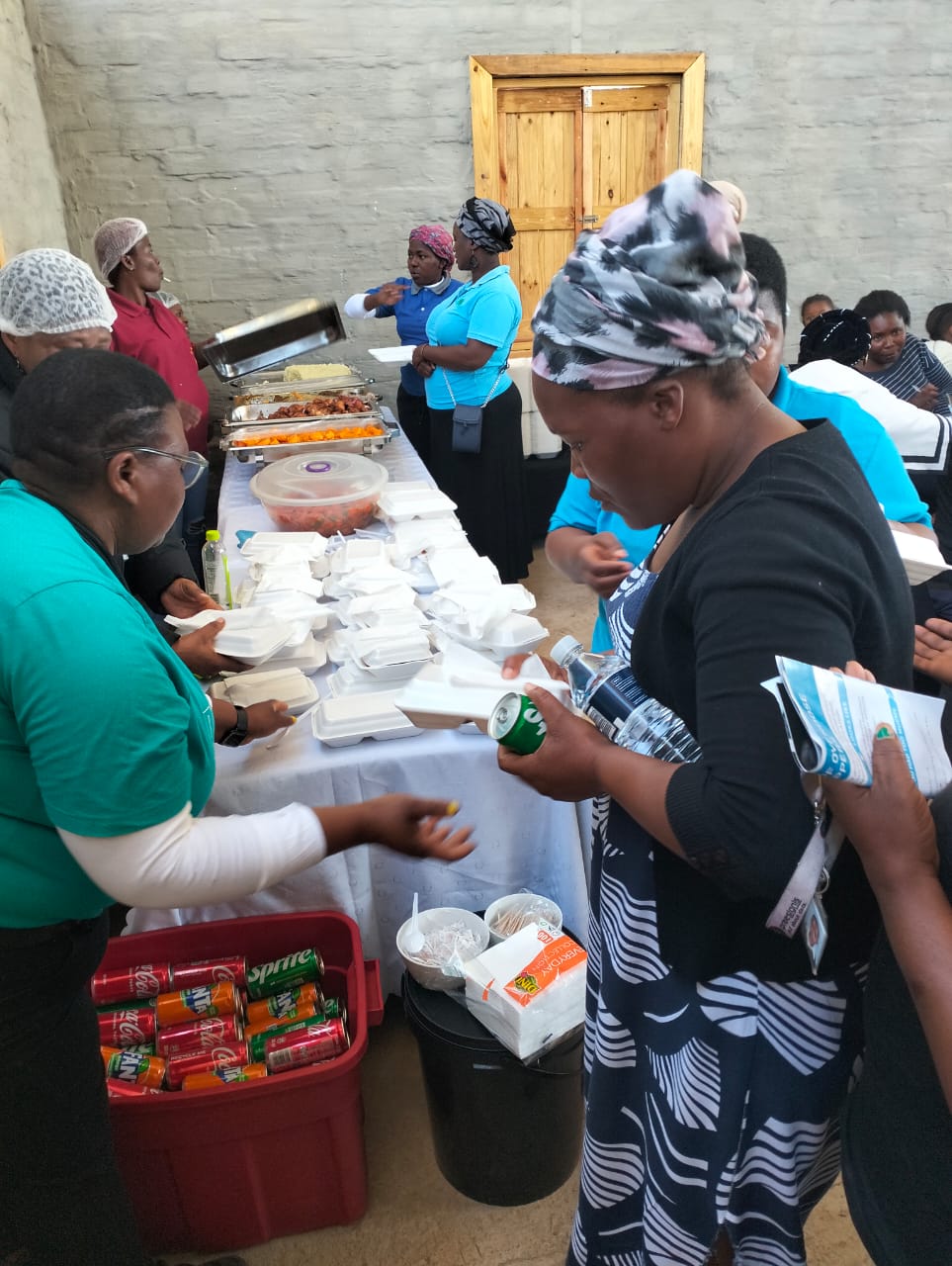




Staff Capacity
Team
Thokozile Rabapane
Director
Founder and director of the Organization.
Dr Peter Nnduvheni
Program Manager
Program manager of the program administered by the Organization. Moved up the ranks in July 2022 to administer the program that was introduced to the organization named PWUD . He joined the team as a volunteer, then through his volunteering,he was then deployed as a coordinator ,administrator under the department of health .Under the social program ,he moved up the ranks to be the first senior finance officer before he became the project manager under the PWUD program.
James Keletso Chachu
Finance Administrator
Finance administrator in the HTS program and Covid 19 program that is administered by the Organization. nThrough hard work and willingness to learn and grow, he have shown all the skillset to carry through the task and mandate given to him and deliver at any given time.
Mmapula Chabalala
Finance Administrator
Finance Administrator in the PWUD Program that is administered by the Organization. Through her dedication and creativity, she has played and continue to play a huge role within the organization.
Portia Dire
HR officer
Known for her dedication and firmness in instilling and implementing work policies .She went up the ranks in 2022 and she has been doing phenomenally well.
William Ditsele
Monitoring & Evaluation officer
Longest serving member of the organization.He was promoted up the ranks from 2022 to being a monitoring and evaluation officer under the PWUD program.
Lerato Nnduvheni
Data Capturer
One of the most dedicated member of the team who is passionate. She got up the ranks in 2022 under the program that was introduced to the Organization by NACOSA named PWUD.
Oratile Molotsi
Peer Educator
Nurse Mdluli
Professional Nurse
Tshepiso Gada
HTS Linkage Officer
Thandi Phokwe
Child and Youth Care Worker
Gift Molefe
Child and Youth Care Worker
Known for His dedication to Social Behavioral Change Programs at schools .
Ayanda Madikwe
Child and Youth Care Worker
Known for Her dedication to both community support groups and social behavioural change program
Patronella Mgandela
Child and Youth Care Worker
Known for her dedication for both Community Support groups and social behavioral change program at schools
Tsholofelo Baisitse
Child and Youth Care Worker
Known for her dedication on social behavioral change program at schools
Contact
- 76 Clinic Road, Krugersdorp, South Africa
Sub Office
Contact
- 76 Clinic Road, Krugersdorp, South Africa
Main Office
Funders

File Manager
2024 Annual General Meeting Report Tshepo Ya Bana
